 EN
EN

Essential Considerations for Professional Kitchen Faucet Selection
Professional kitchens demand high-performance equipment that can withstand constant use while maintaining optimal functionality. The kitchen tap stands as one of the most frequently used fixtures in any commercial kitchen setting, making its selection crucial for operational efficiency. Whether you're outfitting a restaurant, hotel kitchen, or industrial catering facility, choosing the right kitchen tap requires careful consideration of multiple factors that directly impact your daily operations.
Commercial kitchen environments present unique challenges that residential settings don't face. The demands of continuous operation, strict hygiene standards, and the need for quick, efficient service all influence the type of kitchen tap that will best serve your needs. Understanding these requirements helps ensure you make an informed decision that enhances your kitchen's functionality while providing long-term value.
Design and Build Quality Features
Material Construction and Durability
Professional kitchen taps must be constructed from materials that can handle intensive daily use. Solid brass construction with a chrome or stainless steel finish offers exceptional durability and corrosion resistance. These materials not only withstand frequent exposure to water and cleaning chemicals but also maintain their appearance over time.
The internal components deserve equal attention, as they determine the tap's longevity. Ceramic disc cartridges provide superior performance compared to traditional rubber washers, offering smoother operation and reduced maintenance requirements. Look for models featuring high-grade stainless steel springs and seals that resist mineral buildup and wear.
Ergonomic Design Elements
The ergonomics of a kitchen tap significantly impact staff efficiency and comfort. Lever handles should be easy to operate, even with wet or greasy hands. Consider models with clearly marked hot and cold indicators and smooth operation that doesn't require excessive force. The spout height and reach must accommodate your specific needs, allowing comfortable access for filling large pots while preventing splashing.
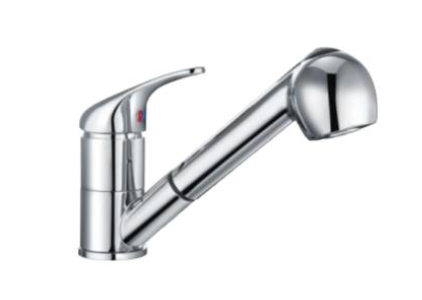
Professional kitchen taps often incorporate features like pull-down sprayers or side sprays that enhance functionality. These elements should be well-balanced and easy to manipulate, with secure docking mechanisms that prevent drooping or misalignment over time.
Functional Performance Aspects
Water Flow and Pressure Requirements
Commercial kitchens require kitchen taps that deliver consistent water flow and pressure suitable for various tasks. The flow rate should be sufficient for quickly filling large containers while maintaining precision for delicate tasks. Most professional models offer flow rates between 1.5 and 2.2 gallons per minute, balancing efficiency with water conservation.
Consider your facility's water pressure capabilities when selecting a tap. Some models include pressure-compensating aerators that maintain consistent flow regardless of incoming pressure variations. This feature ensures reliable performance during peak usage periods when multiple water outlets may be operating simultaneously.
Temperature Control and Safety
Precise temperature control is essential for both safety and functionality in professional kitchens. Modern kitchen taps often incorporate thermostatic mixing valves that maintain consistent water temperature regardless of pressure fluctuations. This feature prevents scalding risks and ensures water temperature stability for food preparation and cleaning tasks.
Anti-scald protection features are particularly important in commercial settings where multiple users operate the same tap. Look for models with built-in temperature limiters that can be adjusted to meet your specific safety requirements while still providing the hot water necessary for sanitization.
Hygiene and Maintenance Considerations
Sanitation Features
In professional kitchens, maintaining proper hygiene is paramount. Choose kitchen taps with smooth, easy-to-clean surfaces that don't harbor bacteria or debris. Some models feature antimicrobial coatings that provide an additional layer of protection against bacterial growth. Consider taps with integrated aerators that are easily accessible for regular cleaning and maintenance.
Hands-free operation options, such as sensor-activated or foot-pedal controls, can significantly reduce cross-contamination risks. These features are particularly valuable in food preparation areas where maintaining strict hygiene standards is essential for compliance with health regulations.
Maintenance Accessibility
Regular maintenance is crucial for extending the lifespan of professional kitchen taps. Select models with easily accessible components that simplify routine maintenance tasks. Quick-connect fittings and modular designs allow for efficient repairs without extensive downtime. Ensure replacement parts are readily available and that the manufacturer provides comprehensive support for their products.
Consider the tap's serviceability when selecting a model. Some manufacturers offer professional maintenance programs or detailed documentation that enables on-site maintenance staff to perform basic repairs and adjustments. This can significantly reduce operational disruptions and maintenance costs over time.
Compliance and Certification Requirements
Industry Standards and Regulations
Professional kitchen taps must comply with various industry standards and regulations. Look for products certified by recognized organizations such as NSF International, which ensures compliance with food safety and sanitation requirements. These certifications verify that the tap meets specific performance, material safety, and construction standards essential for commercial kitchen applications.
Water efficiency certifications, such as WaterSense, indicate that the tap meets environmental sustainability standards while maintaining necessary performance levels. Understanding and adhering to these requirements helps ensure your kitchen operates within regulatory guidelines while promoting responsible resource usage.
Installation and Building Codes
Before finalizing your kitchen tap selection, verify compatibility with local building codes and installation requirements. Consider factors such as backflow prevention, water pressure regulations, and accessibility standards. Professional installation by qualified technicians ensures proper functionality and compliance with warranty requirements.
Document all specifications and certifications for future reference and compliance audits. This information proves valuable during health inspections and facility reviews, demonstrating your commitment to maintaining professional standards and regulatory compliance.
Frequently Asked Questions
How often should professional kitchen taps be serviced?
Professional kitchen taps should undergo routine maintenance every 3-6 months, depending on usage intensity and water quality. This includes cleaning aerators, checking seals, and testing operation. Major servicing by a qualified technician is recommended annually to ensure optimal performance and longevity.
What are the advantages of sensor-operated kitchen taps in professional settings?
Sensor-operated taps offer improved hygiene by eliminating hand contact, reduced water waste through automatic shutoff, and enhanced operational efficiency. They're particularly beneficial in high-volume kitchens where staff frequently need hands-free operation while handling food or equipment.
How can I determine the appropriate spout height and reach for my kitchen tap?
Consider your sink size, typical tasks, and largest equipment that needs to fit under the spout. Measure the height of your tallest containers and ensure at least 3-4 inches of clearance. The spout reach should extend to the sink's center while allowing comfortable access from all angles without excessive splashing.