 EN
EN

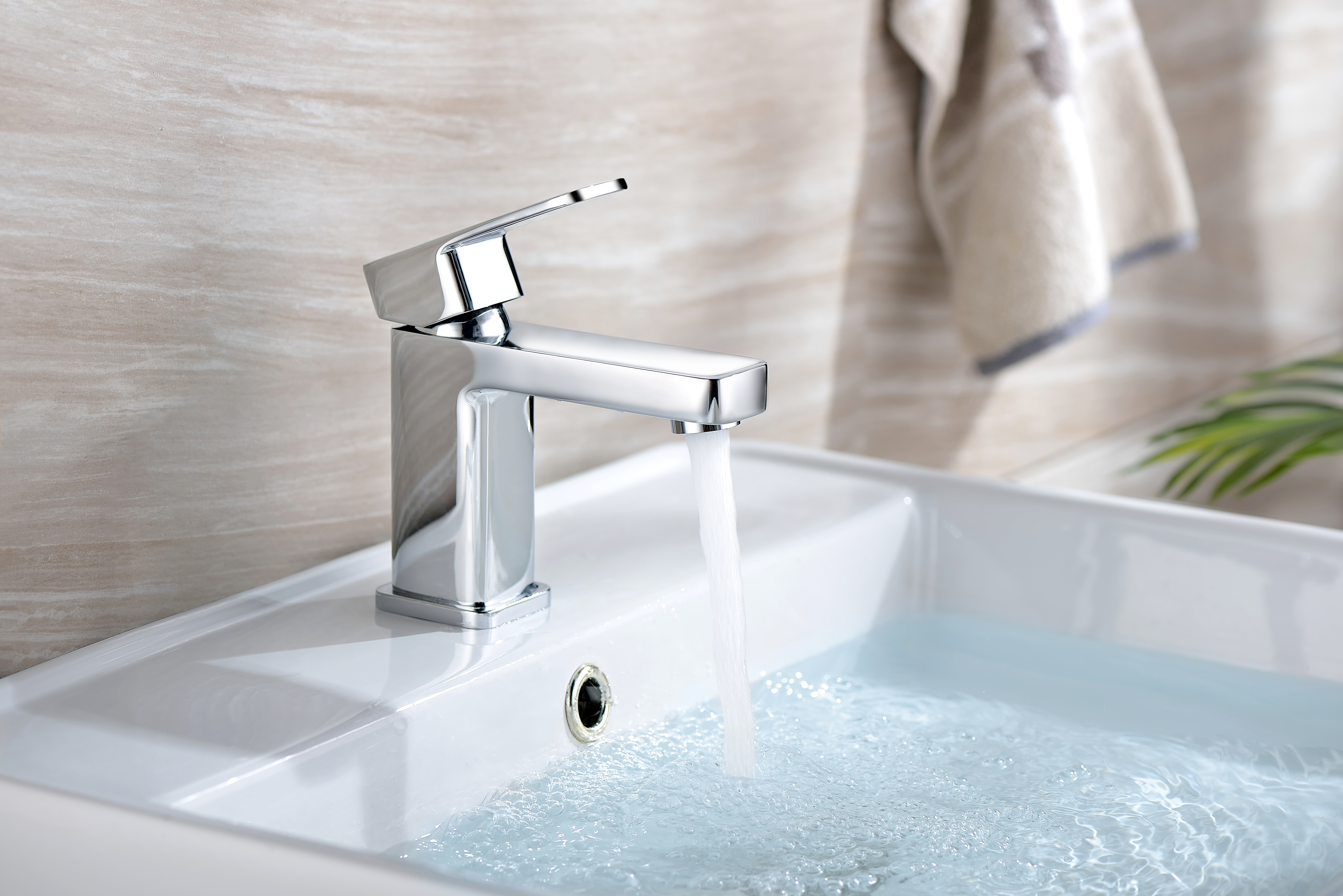
When it comes to protecting vulnerable residents in elderly care facilities, water temperature safety is not a detail to overlook. A thermostatic valve is specifically engineered to maintain a preset water temperature, preventing dangerous fluctuations that can cause scalding or thermal shock. For care home operators, facility managers, and procurement teams, understanding why a thermostatic valve outperforms conventional options is essential for responsible infrastructure planning.
Elderly residents face significantly higher risks from sudden water temperature changes compared to younger adults. Reduced skin sensitivity, slower physical reflexes, and underlying health conditions make them far more susceptible to burns. A thermostatic valve addresses these risks at the source by automatically balancing hot and cold water supplies to deliver a safe, consistent output temperature. This is not a luxury upgrade — in elderly care environments, a thermostatic valve is a fundamental safety requirement.
The Core Safety Advantages of a Thermostatic Valve
Scald Prevention Through Automatic Temperature Control
The primary function of a thermostatic valve is to lock the output water temperature at a safe level, typically set between 38°C and 43°C for elderly users. Unlike conventional mixer taps, where temperature depends entirely on the user adjusting both hot and cold supplies manually, a thermostatic valve compensates automatically when supply pressures or temperatures change. If the cold water supply suddenly drops — a common occurrence when a toilet flushes or another tap opens — a standard valve will spike to dangerously hot temperatures. A thermostatic valve reacts within seconds, maintaining the preset safe temperature without any user intervention.
For elderly residents who may have limited mobility or cognitive impairments, relying on manual temperature adjustment creates real hazard. The thermostatic valve removes that dependency entirely. Even if a resident cannot react quickly or cannot feel early warning signs of excessive heat, the thermostatic valve keeps the water within a safe range. This automatic protection layer is what makes the thermostatic valve uniquely suited to care environments.
Anti-Scald Shutoff and Fail-Safe Design
A well-engineered thermostatic valve incorporates a fail-safe mechanism that shuts off hot water delivery if the cold water supply fails entirely. This prevents a situation where a resident could be exposed to undiluted hot water. This fail-safe function is standard in quality thermostatic valve products and is a key requirement under many national building and healthcare safety standards. Facilities that install a thermostatic valve with verified fail-safe performance demonstrate a proactive commitment to resident welfare and reduce liability exposure significantly.
How a Thermostatic Valve Supports Compliance and Care Standards
Meeting Regulatory Requirements for Care Facilities
Many healthcare and building regulations now specifically recommend or mandate the use of a thermostatic valve in environments where vulnerable populations are present. Guidelines covering care homes, assisted living facilities, and hospitals often reference thermostatic valve installations as a key measure in water safety risk assessments. A thermostatic valve helps facilities demonstrate compliance with duty-of-care obligations, which is increasingly scrutinized during inspections and audits. Selecting the right thermostatic valve is therefore not only a safety decision but also a regulatory and reputational one.
Beyond formal compliance, a thermostatic valve contributes to the facility's overall culture of care. Staff can conduct bathing and hygiene routines with confidence, knowing the thermostatic valve will not deliver unexpected temperature spikes. This reliability reduces caregiver stress and supports more efficient care workflows. The thermostatic valve effectively becomes part of the facility's risk management infrastructure.
Consistent Performance Across Multiple Outlets
Large care facilities typically serve dozens of residents simultaneously, with many showers, baths, and washbasins in active use at the same time. In this context, a thermostatic valve must perform reliably even when system pressure varies across different parts of the building. A high-quality thermostatic valve is designed to maintain accuracy across a wide pressure range, ensuring that each resident receives the same safe water temperature regardless of where their room is located. This consistency is very difficult to achieve with conventional valve types, making the thermostatic valve the clear engineering choice for multi-room care settings.
Practical Considerations When Selecting a Thermostatic Valve for Elderly Care
Key Features to Prioritize
When specifying a thermostatic valve for elderly care use, several features deserve careful attention. The thermostatic valve should offer a clearly marked, tamper-resistant maximum temperature stop to prevent residents or unauthorized users from adjusting the setting beyond safe limits. The thermostatic valve should also be easy to operate with minimal grip strength, since many elderly users experience reduced hand dexterity. Lever-style handles on a thermostatic valve are generally preferred over round knobs for this reason. The build quality of the thermostatic valve matters as well — brass body construction and ceramic cartridges are reliable indicators of durability and long service life in high-use environments.
Installation location is another important consideration for the thermostatic valve. In assisted bathing areas, the thermostatic valve should be positioned where caregivers can easily access and monitor it. Some thermostatic valve designs include an integrated outlet for a handheld shower attachment, which adds practical flexibility for assisted care routines. Choosing a thermostatic valve that supports accessible plumbing configurations helps facilities create safer and more adaptable bathing spaces for residents with varying mobility levels.
Maintenance and Long-Term Reliability
A thermostatic valve installed in a care facility operates under heavy daily use. Regular servicing of the thermostatic valve cartridge ensures the temperature control element continues to function accurately over time. Facilities should establish a maintenance schedule for each thermostatic valve unit, including periodic checks of the temperature output and inspection of the fail-safe shutoff function. A thermostatic valve that is maintained correctly will deliver years of consistent, safe performance. Neglecting the thermostatic valve can result in calibration drift, which gradually reduces the precision of temperature control and undermines the safety benefits the thermostatic valve was installed to provide.
FAQ
What temperature should a thermostatic valve be set to in elderly care facilities?
A thermostatic valve in elderly care settings is typically set between 38°C and 43°C. This range is warm enough for comfortable bathing while staying well below the threshold where scalding injuries can occur. The exact setting for the thermostatic valve may vary based on local regulations or clinical guidance from the facility's health and safety team.
Can a thermostatic valve be retrofitted into an existing care facility plumbing system?
Yes, a thermostatic valve can generally be retrofitted into existing plumbing systems with standard hot and cold supply connections. A qualified plumber should assess the existing pipework to confirm compatibility before installation. Many thermostatic valve models are designed for straightforward replacement of conventional mixer valves without requiring major structural alterations.
How often should a thermostatic valve be serviced in a care home environment?
In a care home, a thermostatic valve should be inspected at least once a year. High-use environments may benefit from more frequent servicing, particularly for the internal cartridge of the thermostatic valve. Regular maintenance ensures the thermostatic valve maintains accurate temperature output and that the fail-safe shutoff mechanism remains fully functional.