 EN
EN

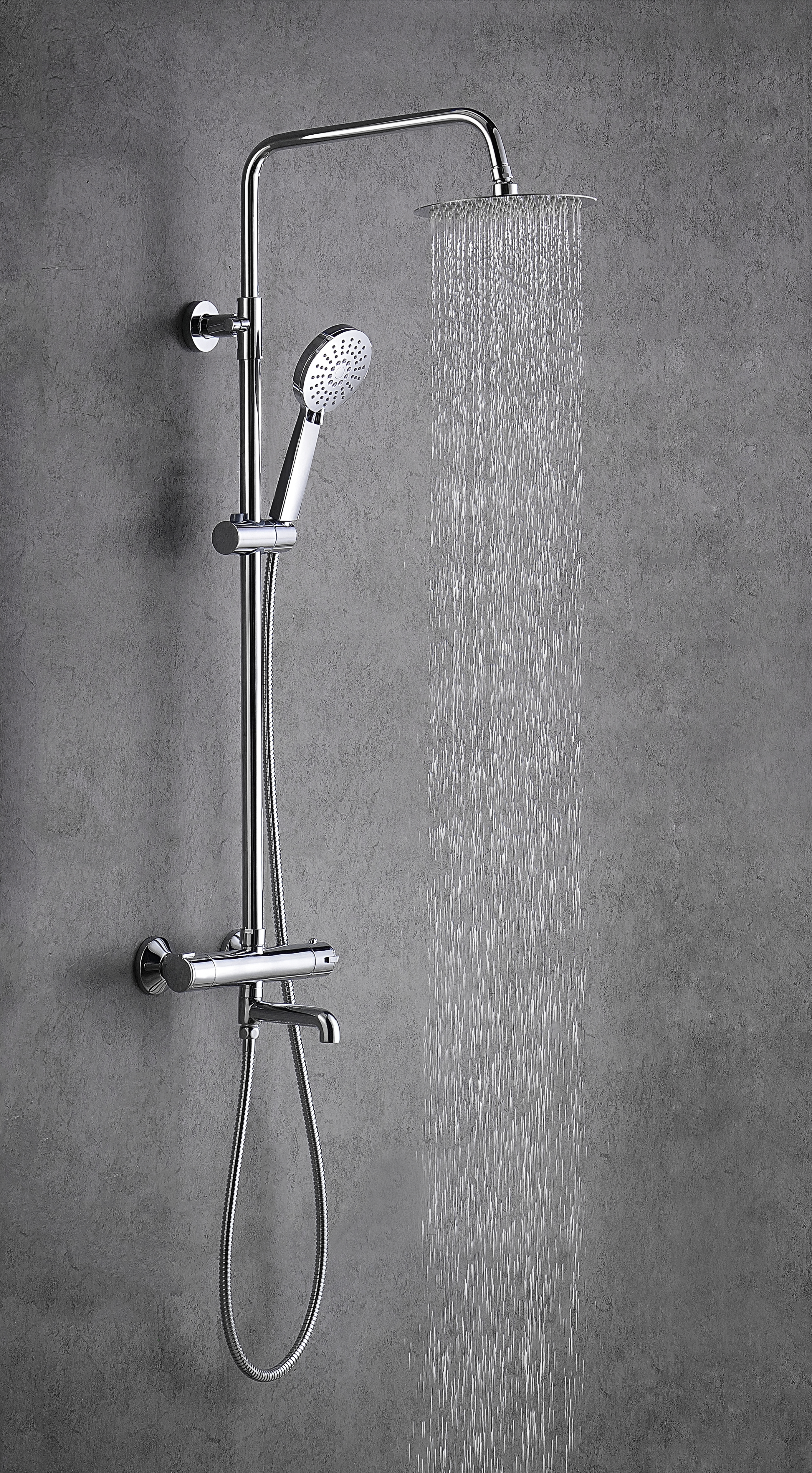
Choosing the right thermostatic valve is one of the most consequential decisions a boutique hotel owner or facility manager can make. A thermostatic valve directly controls the water temperature delivered to guests, and in a luxury or boutique property, that experience defines your brand reputation. Unlike budget accommodations, boutique hotels are expected to deliver consistent, personalized comfort — and a reliable thermostatic valve is the mechanical backbone of that promise.
This guide walks you through every critical factor involved in selecting a high-precision thermostatic valve for boutique hotel environments. Whether you are equipping a new property or upgrading an existing plumbing system, understanding what separates a standard thermostatic valve from a high-performance one will help you avoid costly mistakes and deliver a guest experience worth returning for. A well-chosen thermostatic valve balances technical precision, aesthetic design, and long-term durability — all essential qualities in the boutique hospitality sector.
Understanding What Makes a Thermostatic Valve High-Precision
Temperature Accuracy and Response Time
At the core of any high-precision thermostatic valve is its ability to maintain a set water temperature within a very narrow tolerance range. A quality thermostatic valve should hold temperature within plus or minus one degree Celsius under normal operating conditions. This level of accuracy is not just a comfort feature — it is a safety requirement. In boutique hotels where guests include families, elderly visitors, or individuals with sensitive skin, a thermostatic valve that drifts even a few degrees can cause discomfort or injury. Response time also matters: a premium thermostatic valve should stabilize the outlet temperature within seconds of being activated, not after a prolonged warm-up period that wastes water and guest time.
The Role of the Thermostatic Element
The thermostatic element inside a thermostatic valve — typically a wax capsule or bimetallic strip — is what physically responds to temperature changes and adjusts the mix of hot and cold water. Wax-element thermostatic valve designs are widely favored in commercial hospitality applications because they offer faster, more stable response than bimetallic alternatives. When evaluating a thermostatic valve, ask the supplier about the element type, its rated temperature range, and its expected service life under continuous-use conditions. A thermostatic valve used in a boutique hotel may cycle dozens of times per day, so element longevity is a practical concern, not merely a specification detail.
Key Selection Criteria for Boutique Hotel Applications
Flow Rate, Pressure Compatibility, and Anti-Scald Protection
Boutique hotels often have variable water pressure due to simultaneous demand from multiple rooms and amenities. A thermostatic valve selected for this environment must function reliably across a broad inlet pressure range. Look for a thermostatic valve rated to perform within a minimum pressure differential — typically 0.1 to 0.5 bar between hot and cold supplies. Additionally, every thermostatic valve used in a hotel setting should incorporate an integrated anti-scald device that automatically restricts water flow if the cold supply fails. This safety feature is not optional in a commercial setting — it is a legal and ethical requirement. A thermostatic valve with built-in anti-scald protection prevents potentially serious burns and reduces liability exposure for the hotel operator.
Material Quality and Corrosion Resistance
The internal and external materials of a thermostatic valve determine its longevity and hygiene performance. In boutique hotel bathrooms, the thermostatic valve is subject to constant moisture, cleaning chemicals, and varying water quality. Brass bodies with chrome or PVD coating are standard in premium thermostatic valve products because they resist corrosion, limescale buildup, and surface discoloration. Stainless steel spindles and ceramic discs within the thermostatic valve further extend service intervals and reduce maintenance costs. Always request material specifications and certifications when comparing thermostatic valve options, particularly compliance with standards such as WRAS, NSF/ANSI, or equivalent regional certifications. A thermostatic valve that meets these standards confirms material safety for potable water contact.
Aesthetic Compatibility with Boutique Interiors
In boutique hospitality, the visual design of every bathroom fixture matters as much as its function. A thermostatic valve is a visible, tactile product that guests interact with daily. Select a thermostatic valve whose finish, handle design, and form language align with the interior design scheme of the property. Polished chrome, brushed nickel, matte black, and brushed gold are among the most common finishes available for a high-end thermostatic valve. Many manufacturers offer matching accessories so that the thermostatic valve, handshower, and overhead shower share a cohesive visual identity. This design coherence elevates the perceived quality of the bathroom and reinforces the boutique brand positioning. A thermostatic valve that is both beautiful and functional earns its place in a premium guest room.
Installation, Maintenance, and Long-Term Performance
Professional Installation and Water Quality Considerations
Even the best thermostatic valve will underperform if incorrectly installed. Ensure that the thermostatic valve is installed by a certified plumber familiar with thermostatic systems. Inlet connections must maintain the correct hot-left, cold-right orientation standard to most thermostatic valve designs. Before commissioning a thermostatic valve, flush the pipework thoroughly to remove debris that could damage the valve seat or element. In hard water regions, fitting an inline filter before the thermostatic valve significantly extends its service life. A thermostatic valve exposed to unconditioned hard water will accumulate limescale on its internal components, degrading temperature stability over time. Proactive filtration is a low-cost investment that protects the thermostatic valve and maintains guest comfort for years.
Routine Maintenance and Performance Checks
A thermostatic valve in a commercial property should be serviced at regular intervals — typically once every twelve to twenty-four months depending on usage intensity and water quality. During a service visit, a technician should inspect the thermostatic valve cartridge, clean or replace the filter screen, and verify that the anti-scald function remains correctly calibrated. Hotels in regions with seasonal temperature fluctuations should verify thermostatic valve performance at the beginning of each peak season. Keeping a maintenance log for each thermostatic valve installation helps identify patterns of wear and supports timely replacement before a failure disrupts the guest experience. A proactively maintained thermostatic valve is far less costly than an emergency repair or guest complaint.
FAQ
What is the ideal temperature setting for a thermostatic valve in a hotel bathroom?
Most thermostatic valve products used in hotel applications are factory-set or field-adjusted to deliver water at around 38 to 42 degrees Celsius. This range is comfortable for most adult guests while remaining safe. The thermostatic valve anti-scald limiter should be set so that the maximum outlet temperature does not exceed 48 degrees Celsius without deliberate adjustment by a qualified technician.
How many thermostatic valve units does a boutique hotel room typically require?
A standard boutique hotel room with a single shower and bath may use one thermostatic valve for the shower circuit and a separate thermostatic valve for the bath fill function. Larger suites with multiple shower heads or a rain shower and handshower combination often use a single multi-outlet thermostatic valve that controls temperature centrally while routing flow to different outlets independently.
Can a thermostatic valve be retrofitted into an existing hotel plumbing system?
Yes, a thermostatic valve can generally be retrofitted into an existing plumbing system, provided the inlet pipework meets the pressure and diameter requirements of the selected thermostatic valve model. In older buildings, the hot water supply temperature and pressure should be tested before installation. A plumber may need to add a pressure-reducing valve or reconfigure supply lines to ensure the thermostatic valve performs to specification after installation.