 EN

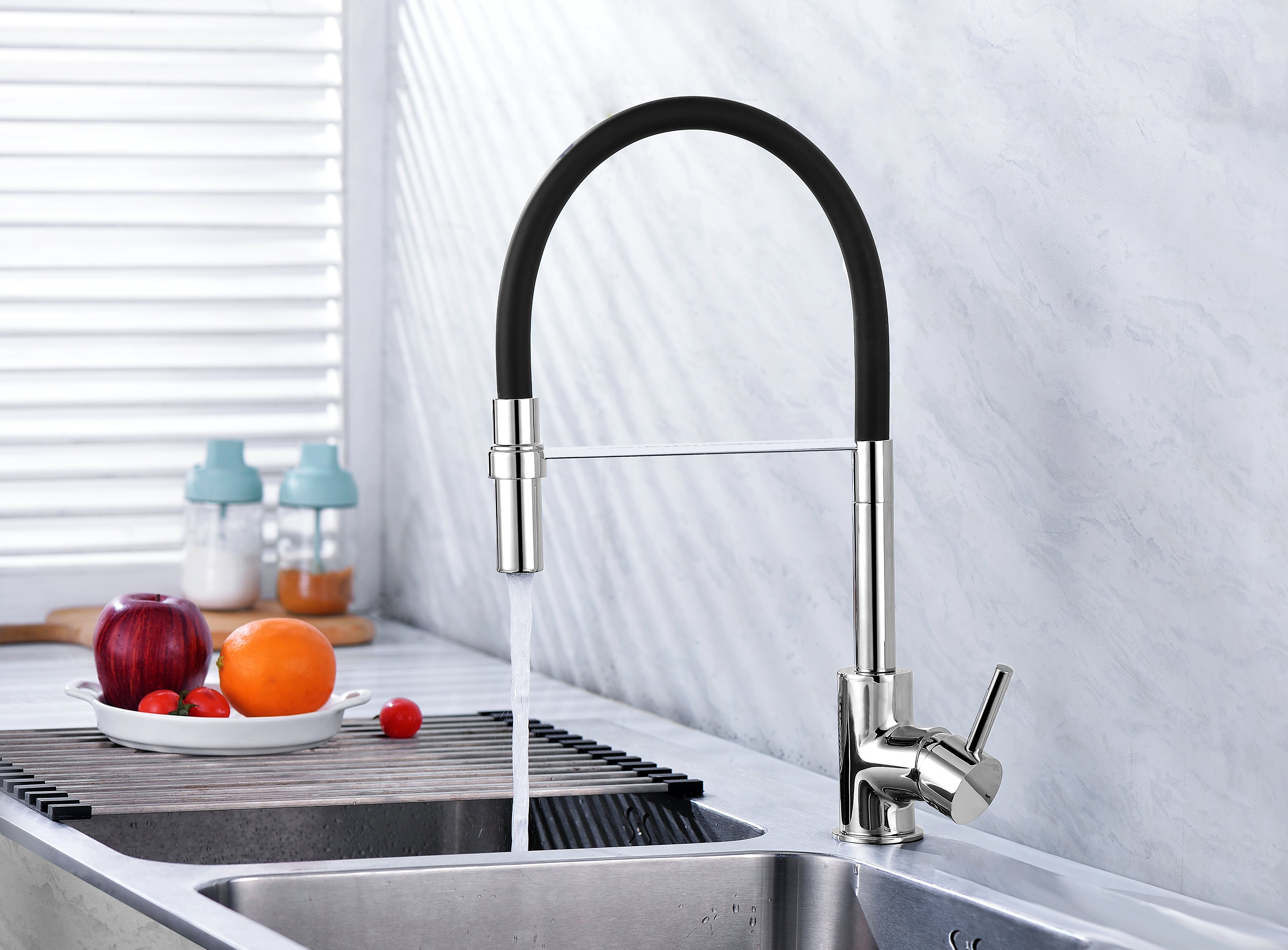
Elderly care facilities face unique challenges when managing water safety and temperature consistency. A thermostatic valve represents a critical infrastructure investment that directly addresses scalding risks and temperature fluctuations that elderly residents face daily. Unlike standard kitchen faucets, a thermostatic valve maintains precise water temperature control, preventing dangerous thermal shifts that could cause injury to vulnerable populations. This article explores why a thermostatic valve has become the industry standard for elderly care environments and how it protects residents while reducing facility liability.
Installing a thermostatic valve throughout an elderly care facility ensures consistent water temperature across all bathrooms, kitchens, and utility areas. Elderly residents often have reduced sensitivity to extreme temperatures and slower reaction times, making them significantly more vulnerable to scalding injuries than younger populations. A thermostatic valve automatically regulates outflow temperature regardless of pressure changes or demand fluctuations, creating a safer environment without requiring residents to constantly adjust kitchen faucets or shower controls.
Understanding Thermostatic Valve Technology
How a Thermostatic Valve Maintains Temperature Safety
A thermostatic valve uses a wax or liquid-filled cartridge that expands and contracts in response to water temperature changes. This automatic response ensures that a thermostatic valve delivers water at a preset safe temperature, typically between 100 and 110 degrees Fahrenheit in elderly care settings. Unlike manual kitchen faucets that rely on resident judgment, a thermostatic valve physically prevents water from exceeding dangerous temperatures, making it an engineering-based safety solution rather than a behavioral one.
The internal mechanism of a thermostatic valve responds in milliseconds to temperature fluctuations, ensuring that sudden pressure drops or hot water surges cannot produce scalding conditions. When an elderly resident opens a kitchen faucet or shower, a thermostatic valve guarantees consistent warmth without the dangerous temperature spikes that can occur with standard plumbing. This instantaneous response makes a thermostatic valve fundamentally different from passive kitchen faucets, which offer no built-in protection against thermal extremes.
Installation and Integration in Care Facilities
Facilities typically install a thermostatic valve at the point of use, meaning individual bathrooms, shower areas, and kitchen faucets each have their own valve unit or a central system feeds multiple outlets. Professional installation of a thermostatic valve requires coordination with the facility's plumbing infrastructure to ensure proper water pressure balance and bypass configurations. Many elderly care facilities retrofit existing kitchen faucets and showers with thermostatic valve cartridges, allowing them to upgrade safety without complete plumbing replacement.
A thermostatic valve installation also includes anti-scald adjustment screws and user-friendly temperature limit controls that prevent residents from accidentally exceeding safe settings. Facilities can calibrate a thermostatic valve to match their specific hot water supply temperature, creating a standardized safety protocol across all resident-accessible outlets. This configurability makes a thermostatic valve adaptable to various facility layouts and existing plumbing architectures.
Safety Benefits for Vulnerable Populations
Scalding Prevention and Resident Protection
Scalding injuries represent one of the leading preventable accidents in elderly care facilities, with consequences ranging from painful burns to serious infections and prolonged hospitalization. A thermostatic valve eliminates the primary mechanism of accidental scalding by preventing excessively hot water from reaching resident skin. Unlike kitchen faucets that depend on manual temperature adjustment, a thermostatic valve acts as a passive guardian that works continuously without requiring cognitive engagement or motor precision from elderly users.
Research on elderly injury patterns shows that residents with cognitive impairment, arthritis, or reduced thermal sensation face exponentially higher scalding risk with standard kitchen faucets. A thermostatic valve provides equal protection regardless of a resident's physical or cognitive capability, creating an equitable safety standard across the facility. This universal protection aspect makes a thermostatic valve a core component of inclusive elderly care design rather than just a luxury upgrade.
Liability Reduction and Regulatory Compliance
Most jurisdictions and accreditation bodies now expect or require anti-scald devices in elderly care facilities, making a thermostatic valve both a safety best practice and a regulatory compliance measure. Installing a thermostatic valve demonstrates that a facility has implemented industry-standard protective measures, which significantly impacts liability outcomes if injuries do occur. Documentation of a thermostatic valve installation and maintenance creates a clear record of due diligence that protects the facility during legal review.
Insurance carriers increasingly offer premium reductions or incentives for facilities that implement comprehensive anti-scald programs centered on a thermostatic valve system. Beyond the direct cost of a thermostatic valve hardware, facilities save substantially on injury claims, incident investigations, and reputation damage that scalding incidents typically generate. For elderly care administrators, investing in a thermostatic valve represents one of the highest-return safety expenditures available.
Operational Advantages Beyond Safety
Energy Efficiency and Water Conservation
A thermostatic valve improves facility efficiency by eliminating the water waste that occurs when residents struggle to find correct temperature balance with standard kitchen faucets. When elderly residents must adjust regular faucets repeatedly to find comfortable temperatures, significant water runs unused while they make micro-adjustments. A thermostatic valve delivers usable water immediately at the correct temperature, reducing total consumption per use cycle and lowering utility costs for large facilities.
The energy efficiency gains from a thermostatic valve extend to heating system load reduction, since less wasted hot water means the facility's boilers and heaters operate at lower sustained demand. Over a fiscal year, a facility managing dozens of bathrooms can recover a substantial portion of a thermostatic valve installation investment through utility savings alone. This financial alignment makes a thermostatic valve attractive to both safety-focused administrators and cost-conscious facilities.
Maintenance Predictability and System Reliability
A thermostatic valve design involves fewer moving parts than complex mixing systems, resulting in higher reliability and lower maintenance frequency compared to electronic alternatives. The wax cartridge inside a thermostatic valve typically lasts seven to ten years under normal elderly care facility usage conditions, providing predictable replacement cycles. Unlike kitchen faucets that may develop leaks or wear issues unpredictably, a thermostatic valve has a clear service life that facilities can budget and plan around.
Routine maintenance of a thermostatic valve involves simple flushing and occasional cartridge replacement, tasks that most facility maintenance teams can perform without specialized plumbing contractors. Staff training on a thermostatic valve care is straightforward, and the standardized approach across multiple units means facilities achieve operational consistency. This reliability translates directly into fewer emergency maintenance calls and reduced disruption to elderly resident routines.
Comparative Context and Implementation Considerations
Why Standard Kitchen Faucets Fall Short
Standard kitchen faucets and shower systems place the burden of temperature safety entirely on user judgment and manual control, which creates unacceptable risk in elderly care environments. Many elderly residents have hand tremors, cognitive variability, or reduced thermal sensation that makes manual temperature adjustment inconsistent and potentially dangerous. A thermostatic valve transfers safety responsibility from the user to the infrastructure, aligning with care facility obligations to provide environments that protect vulnerable residents proactively.
When facilities rely on kitchen faucets without anti-scald protection, they essentially gamble that every resident will consistently make safe temperature choices, which statistical evidence shows is unrealistic. A thermostatic valve removes this gambling element by establishing a physical safety floor that cannot be breached through user error alone. This fundamental difference explains why a thermostatic valve has become the expected standard rather than an optional upgrade.
Selecting and Configuring a Thermostatic Valve
Facilities choosing a thermostatic valve should evaluate models based on pressure-balancing performance, cartridge durability, and compatibility with existing plumbing systems. A thermostatic valve with certifications from recognized standards bodies ensures that the product has undergone rigorous performance testing specific to elderly care applications. Maximum temperature settings on a thermostatic valve should be configurable to match facility protocols, typically capped at 110 to 115 degrees Fahrenheit for resident safety.
Professional assessment of facility hot water supply characteristics helps determine whether a thermostatic valve requires additional pressure-balancing components or bypass configurations. A thermostatic valve performs optimally when installed with consistent hot and cold water line pressures, so facilities may need to upgrade manifold configurations to achieve this balance. Consulting with plumbing professionals experienced in elderly care installations ensures that a thermostatic valve provides maximum safety benefit across all facility water outlets.
FAQ
Can a thermostatic valve completely eliminate scalding risk?
A thermostatic valve eliminates scalding risk from sudden temperature spikes or extreme hot water delivery, which accounts for the vast majority of accidental facility scalding incidents. However, immersion injuries from prolonged exposure to moderately hot water still represent a potential hazard that requires additional oversight. A thermostatic valve should be considered the foundational safety layer, supplemented by staff training and resident supervision protocols appropriate to each individual's capabilities.
How often does a thermostatic valve require maintenance?
A thermostatic valve typically requires annual inspection and flushing to ensure the internal cartridge remains clean and responsive. The wax cartridge inside a thermostatic valve usually lasts seven to ten years before requiring replacement, depending on water quality and usage frequency. Many facilities incorporate a thermostatic valve maintenance schedule into their standard plumbing upkeep, treating it no differently than other critical infrastructure systems.
Is a thermostatic valve expensive to install in existing facilities?
Installation costs for a thermostatic valve vary based on facility size and existing plumbing configuration, but retrofitting individual shower valves or kitchen faucets typically costs between $200 and $500 per unit in labor and materials. For a 50-bed elderly care facility, comprehensive installation might represent a $10,000 to $25,000 investment, which most facilities recover within two to three years through insurance savings and reduced incident costs. Phased installation approaches allow facilities to prioritize highest-risk areas first while distributing costs across multiple budget cycles.