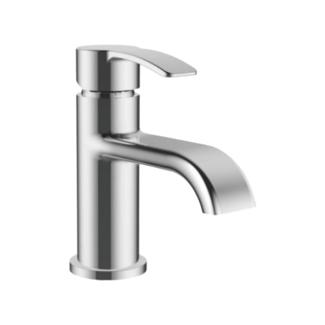
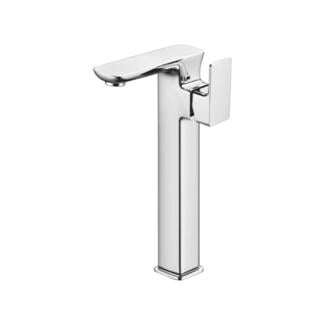
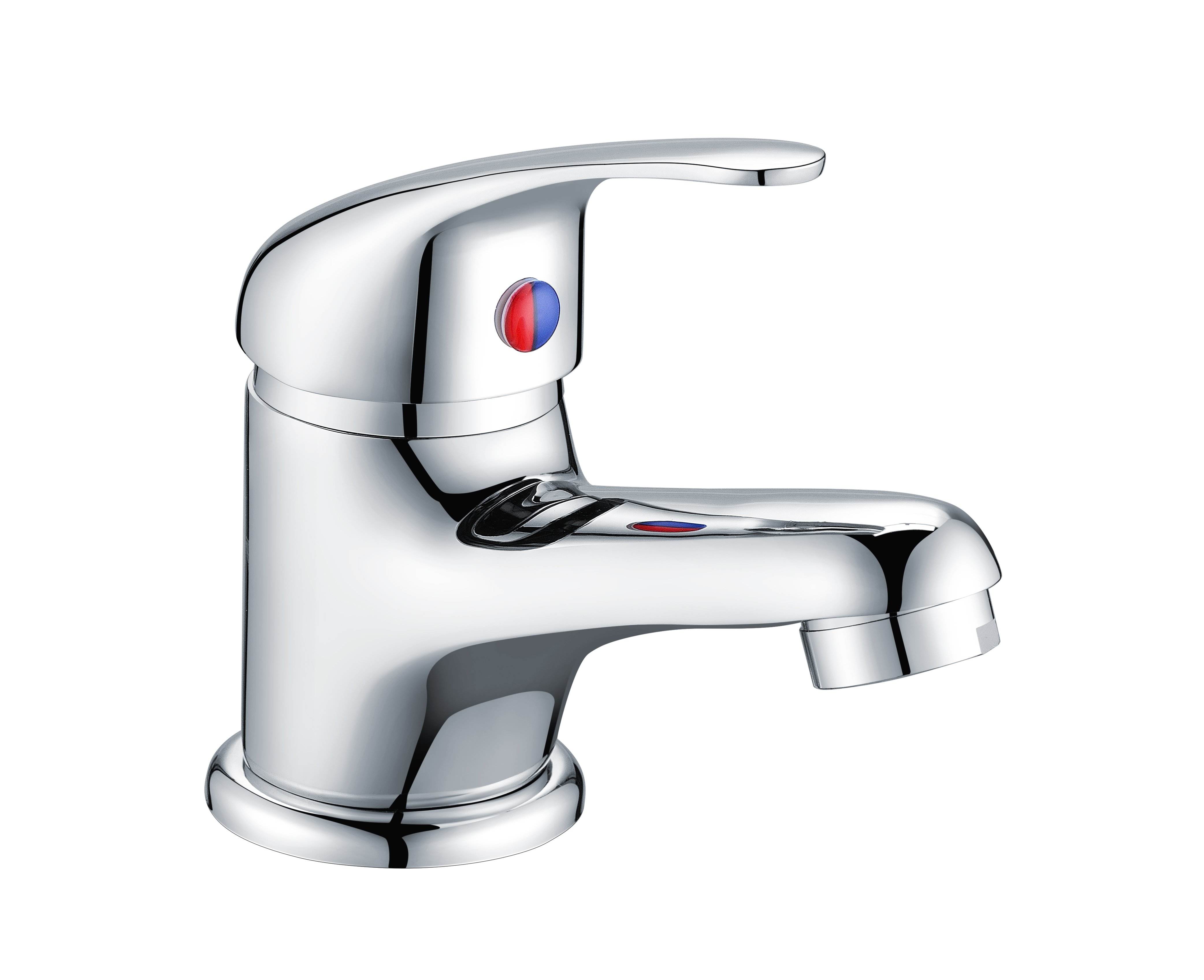
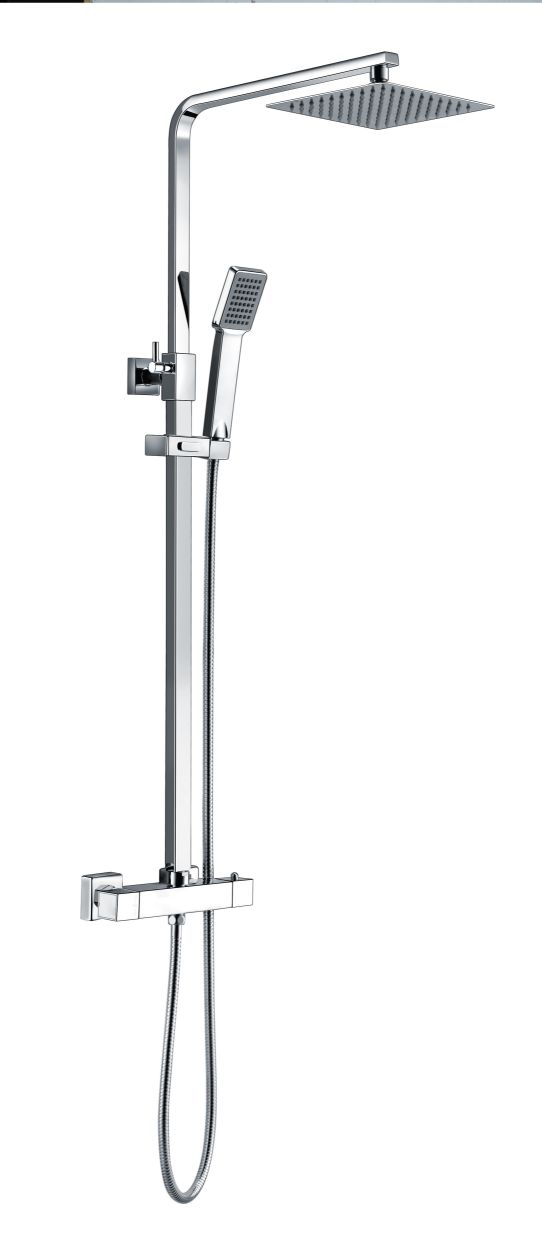
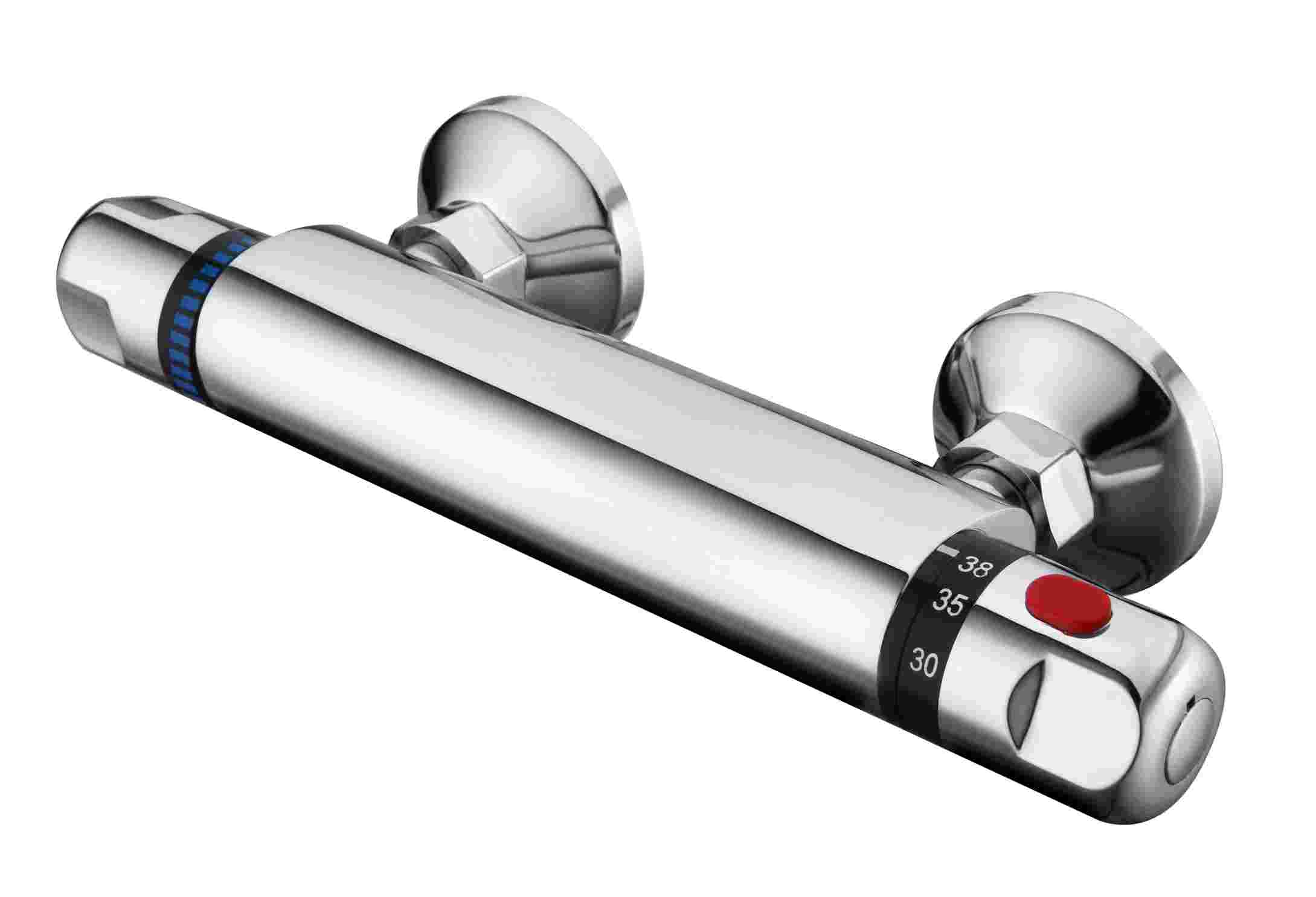
The two products look almost identical in a catalogue photograph and behave very differently on site. A freestanding bath mixer fills the bath through a spout. A freestanding bath shower mixer does the same and adds a handset, hose and cradle. The difference is one component, and it changes the plumbing, the clearance and the cleaning routine.
Xindong manufactures both families, so the question comes up on almost every bathroom enquiry: the T3265 freestanding bath mixer on one side, and the T7268, T3168, T2368 or T1968 freestanding bath shower mixers on the other. Here is how to choose between them without guessing.
If the bathroom has a separate shower enclosure, a walk-in shower or a ceiling-mounted rain head, the handset on the bath filler is redundant. Specifying a bath-only mixer gives a cleaner silhouette, fewer parts to fail, and a lower unit cost.
Bath-only mixers also suit small rooms where a hose would drape against a wall or sit in the water line. In an alcove with a bath on three sides, a hanging hose is a permanent annoyance; the spout-only version removes the problem entirely.
In family bathrooms with a bath as the only washing point, the handset is essential: hair washing, rinsing the bath, cleaning a toddler, washing down the surround. It also helps in rental and serviced apartments, where guests expect a handset even when a separate shower exists.
For hotels, the calculation is different. A handset in every room adds hose life-cycle cost and housekeeping time. Many operators specify bath-only mixers in standard rooms and shower mixers in suites or accessible rooms, where the handset is a genuine functional requirement rather than a nicety.
A freestanding shower mixer needs roughly a hand's width of clearance on the cradle side, plus a hose that hangs without touching the floor. On a bath set into a tiled platform, check that the hose does not rub against the platform edge; the rubbing point is where braided hoses fail first.
If the bath is close to a wall, consider a model with the cradle on the room side rather than the wall side. It is a small layout decision that determines whether the hose hangs free or coils against the tiles.
On a shower mixer, the diverter must be intuitive without instructions. A push-button diverter is quick but can be stiff for older users; a lift-and-turn knob is slower but obvious. For accessible bathrooms, a lever-operated diverter with clear hot and cold marking is the safer choice.
Check that the diverter returns fully to the spout position. A diverter that creeps leaves the handset dribbling and creates a permanent damp patch on the bath surface.
Freestanding mixers are often installed in refurbished period properties with gravity-fed or low-pressure supplies. A shower handset adds restriction; if the available head is marginal, the handset performance will disappoint even when the spout flow looks acceptable. Confirm the supply pressure and head before committing to the shower version, or specify a low-pressure-tolerant handset.
There is no requirement to use one family throughout a building. A common pattern is bath-only mixers in standard rooms and shower mixers in family or accessible rooms, provided the visual family and finish match so the project still reads as one specification. Keeping the same body style across both variants makes that easier and reduces the spares list.
Both families share the same installation logic: a rigid base, aligned supplies, a planned waste route and isolation under the floor. Choose the variant on function, then protect it with the same first-fix discipline.
 Hot News
2026-11-26
2026-11-25
2026-11-24
2026-11-22
2026-11-21
2026-11-20

The company, founded in 1999 and located in Yuhuan,specializes in taps, thermostatic shower valves and shower kits. With over 30,000 sqm of space and 380+ employees, we hold numerous certifications and 65+ patents.
 EN