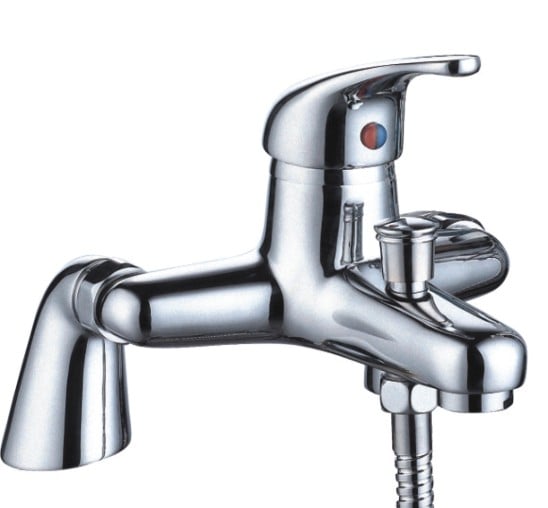
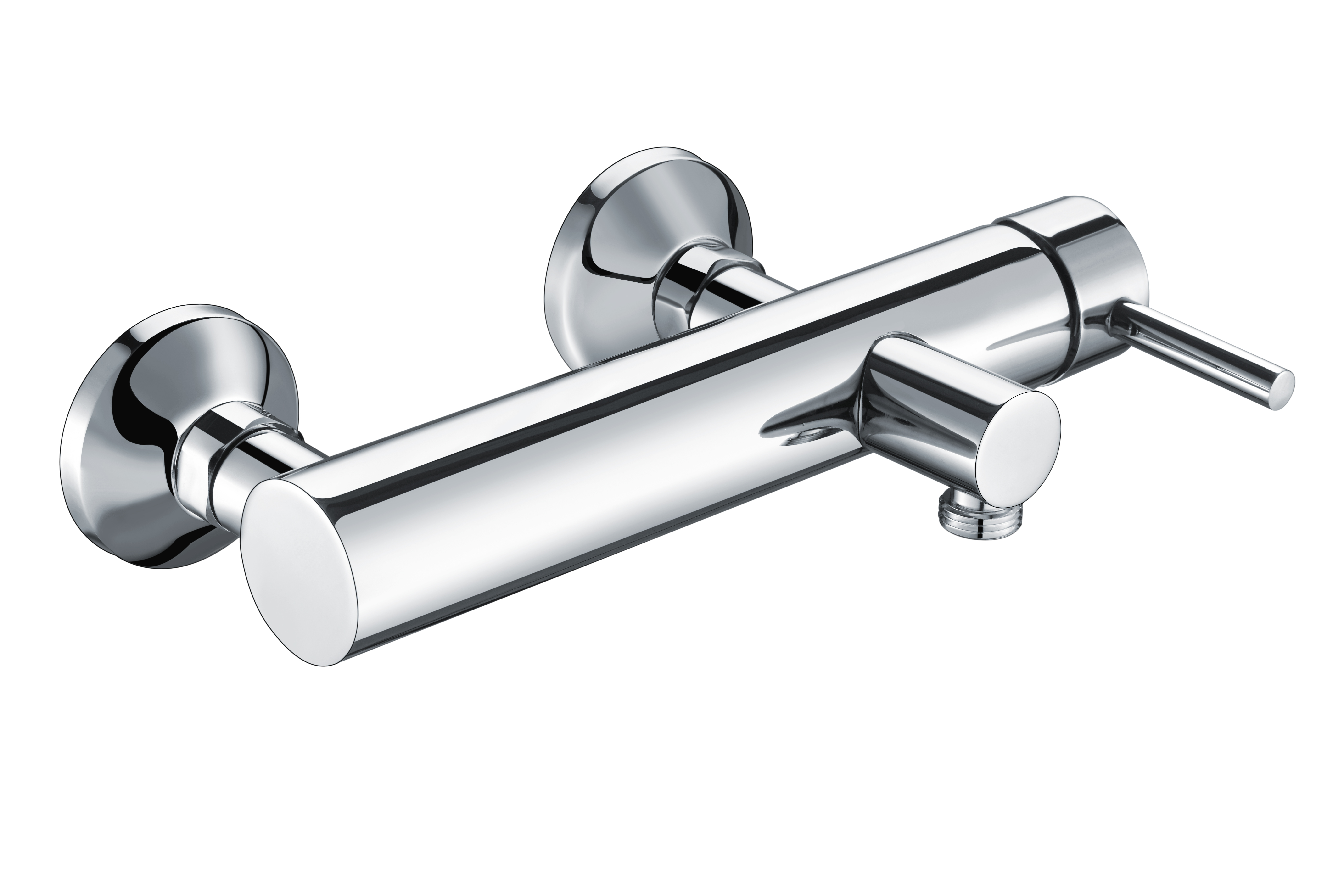
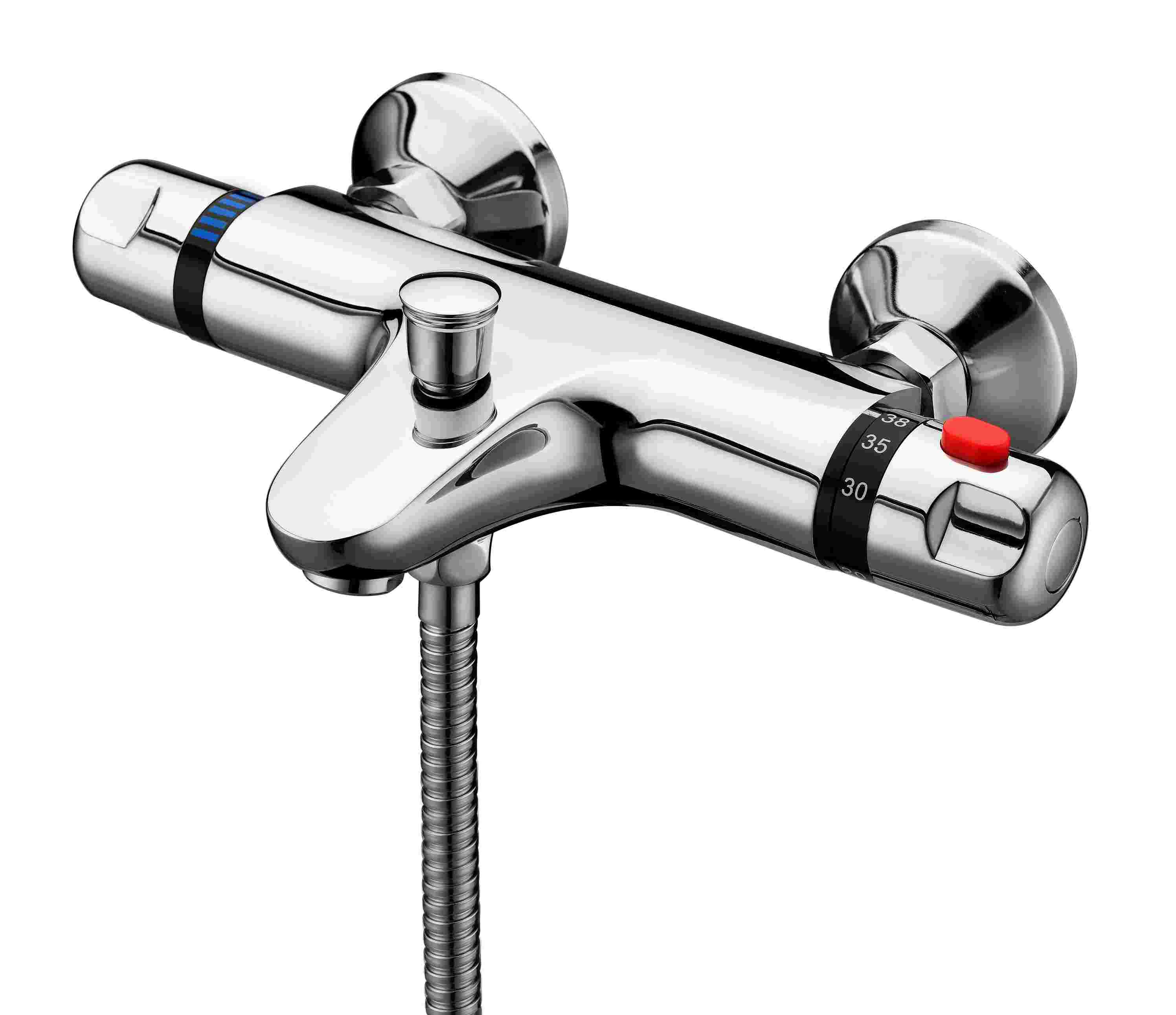
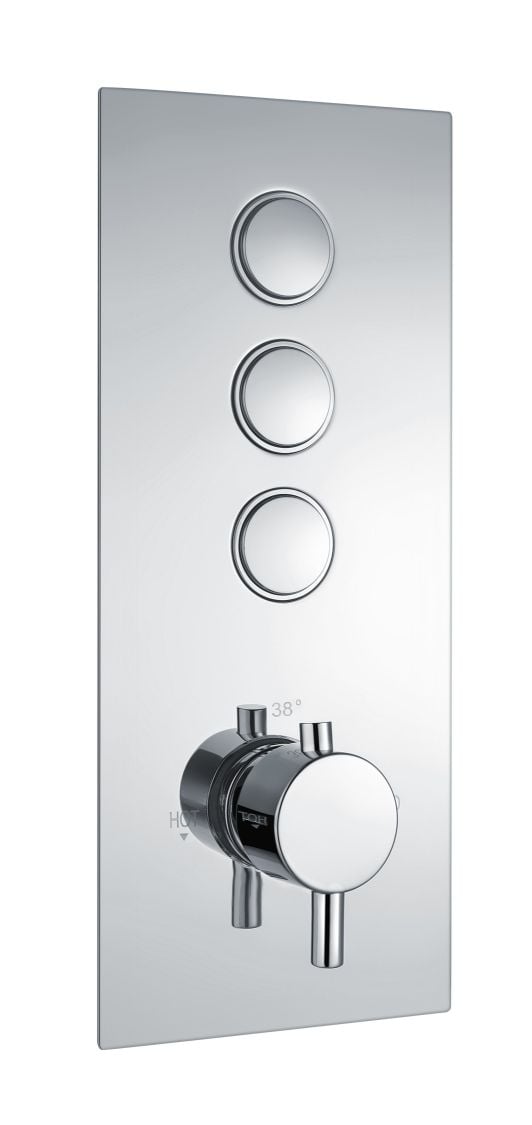
Nagy Afrika, India és a Fülöp-szigetek területén a „normális” háztartási vízellátás nem egy 3 baros városi fővezeték. Inkább egy tetőn vagy a földön elhelyezett tartály, amelyet gravitációs elven táplálnak, egy fúrt kút szivattyúja, amely naponta néhány órát működik, vagy egy városi hálózat, amely csak időszakosan szolgálja ki a felhasználókat – néha órákig tartó száraz csövekkel a töltési ciklusok között. Olyan csapok és szelepek, amelyek egy európai tesztlaborban 0,3–0,5 MPa nyomáson tökéletesen működnek, ezekben a körülmények között hónapokon belül meghibásodhatnak.
Az importőrök és projektvásárlók számára a tartós termék nem az, amelynek a legfényesebb a felülete. Hanem az, amelynek patronja, ülékei és testének kialakítása ellenáll az alacsony nyomásnak, a száraz időszakoknak, az újrainduláskor fellépő nyomáslökésnek és a szennyezett víznek – és amelyet gyártója ténylegesen tesztel ezekre a körülményekre.
Az időszakos hálózatok olyan hibamód-ciklust hoznak létre, amelyet a folyamatos ellátásra tervezett termékek sosem tapasztalnak:
A európai hálózatokhoz szokott tervezőknek ezeket a nyomástartományokat kell figyelembe venniük tárolós és megszakított rendszerek esetén:
| Szállítási feltétel | Jellemző nyomás | Tervezési következmény |
|---|---|---|
| Gravitációs tetőtartály (1–3 emelet) | kb. 0,02–0,1 MPa | A patronnak nagyon alacsony nyomáson is teljesen ki kell nyílnia; nagyáramlási belső szerkezet szükséges |
| Földszinti tartály + kis teljesítményű szivattyúkészlet | kb. 0,1–0,3 MPa | A leggyakoribb tartomány; a tartósság és a szennyeződésekkel szembeni ellenállás a legfontosabb |
| Megszakított közmű-csatlakozás | 0,05–0,5 MPa, csúcsnyomásokkal | Képesnek kell lennie a száraz időszakok túlélésére és az újraindulási tranziensek elviselésére |
| Igény szerinti nyomásfokozó (kereskedelmi célú) | 0,3–0,5 MPa | Kevesebb igény; szabványos lakossági szelepek megfelelőek |
A kellemetlen igazság: sok „alacsony nyomású” csap, amelyet ezeken a piacokon árulnak, egyszerűen csak szokványos modellek egy marketingcímke felragasztásával. Egy valóban alacsony nyomású kialakítás mérhetően nagyobb belső vízvezetékekkel, olyan patronnal, amelynek alacsony nyitónyomatéka van 0,05 MPa nyomáson, és olyan levegőztetővel rendelkezik, amely alacsony átfolyáskor levegőt kever, nem pedig elzárja a folyást.
A patron az első alkatrész, amely meghibásodik, és a gyár számára a legolcsóbb hely, ahol le tudja vágni a költségeket. A megszakított vízellátású piacokhoz követelj meg:
Egy jó légző simítja a vízsugarat és megakadályozza a fröccsenést alacsony nyomáson. Egy rossz légző egyszerűen csak korlátozza a folyást. Teszteljék a tényleges folyási értéket 0,05–0,1 MPa nyomáson, ne csak a katalógusban megadott 0,3 MPa értéket – itt dől el, hogy az alacsony nyomású termékek a bemutatótermekben sikeresek lesznek-e, vagy sem.
A Xindongnál a megszakított vízellátású régiókba szánt termékeket nemcsak az ideális vízellátáson teszteljük. Szokásos eljárásunk a következőket foglalja magában:
Írja bele a környezeti feltételeket a műszaki leírásba. Ha a projekt víztároló-ról történő ellátású, akkor a pályázati dokumentumokban adjon meg „teljes átfolyást 0,05 MPa nyomáson” és „száraz ciklusra alkalmas patron” követelményt – a pontatlan specifikációk olcsó helyettesítő termékek megjelenését vonják maguk után.
Követeljen teszteredményeket a fent említett meghibásodási módokra, ne csak egy esztétikusan megformált adatlapon szereplő információt.
DZR sárgaréz testeket írjon elő ott, ahol a víz kémiai összetétele ismeretlen vagy agresszív – a többletköltség csekély a visszahívási és garanciális problémákhoz képest.
Gondoskodjon a karbantartás valóságáról. A patronokat és a vízszórókat helyileg fogják karbantartani; használjon egységesen cserélhető alkatrészeket és gyakori interfészeket.
Vásároljon gyáraktól, amelyek rendelkeznek helyi piaci tapasztalattal. Egy gyártó, aki már ezrekben szállított egységeket Afrikába, Indiába vagy a Fülöp-szigetekre, olyan hibaadatokkal rendelkezik, amelyeket nem szerezhet meg egy laboratóriumi brosúrából.
A szakaszos és alacsony nyomású vízellátáshoz nem „olcsóbb” termékek szükségesek – hanem őszintébben tervezettek: nagyobb átfolyó keresztmetszetek, erősebb kerámia lapok, DZR testek, tesztelt száraz ciklusok és karbantartható belső szerkezetek. Az importőrök, akik a valós környezeti feltételekhez igazítják a specifikációkat, és a megfelelő teszteken ellenőrzik a gyártókat, folyamatosan garanciaveszteségeket alakítanak visszavásárlási megrendelésekké.
Xindong-ról. A Zhejiang Xindong Sanitary Ware Co., Ltd. 1999 óta gyárt sárgaréz csapokat, szelepeket és termosztátos zuhanykészleteket Juhuanban, Csöcsiang tartományban – 30 000 négyzetméternél nagyobb gyártóüzemmel, 380-nél több alkalmazotttal és belső laboratóriumi egységgel, amely a tartósságot, nyomást és anyagtulajdonságokat teszteli. Exportmérnökeink rendszeresen támogatják az ázsiai, afrikai és közép-keleti vásárlókat abban, hogy olyan termékeket válasszanak ki, amelyek kibírják a valós körülményeket a vízellátási hálózatban. Beszéljük meg projektje vízellátási profilját: [email protected].
*Megjegyzés: a megadott nyomástartományok tipikus mezőbeli referenciaértékek, nem szabványos értékek. A termékek megadása előtt mindig ellenőrizze a célpiacra vonatkozó helyi vízvezeték-szabályzatokat és termékszabványokat.*
 Friss hírek
2026-10-24
2026-10-23
2026-10-22
2026-10-21
2026-10-20
2026-10-18

A vállalatot 1999-ben alapították, és Yuhuanban található, szakértelme a csapok, termosztatikus zuhany szelepek és zuhanykészletek. Több mint 30 000 négyzetméteres területet és 380 alkalmazottat számlálva, számos tanúsítvánnyal és 65 szabadalmunkkal rendelkezünk.
 EN
EN