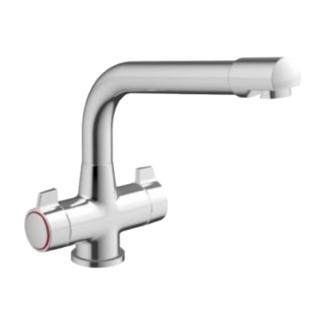
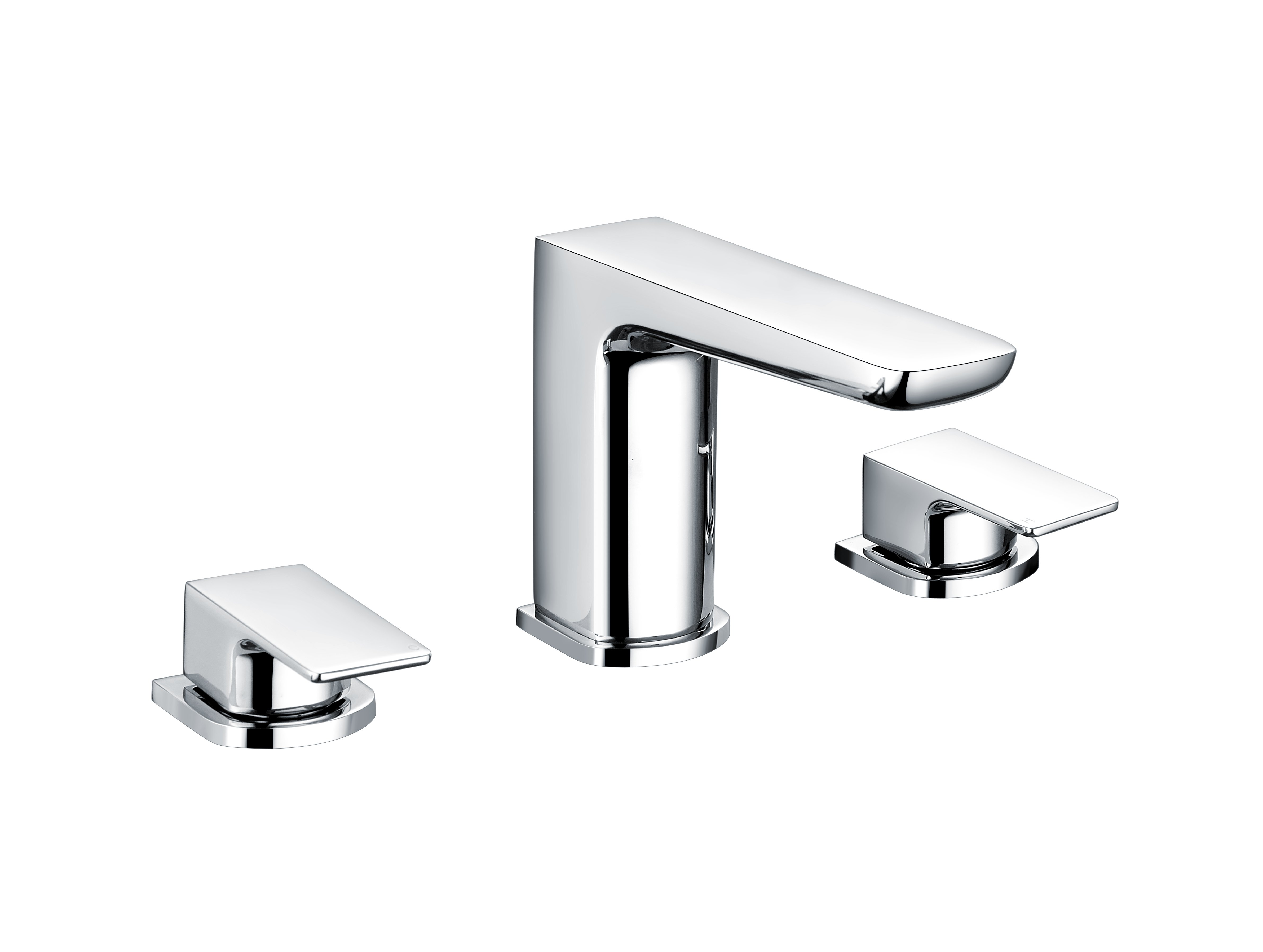
A 98°C boiling-water tap removes the kettle, the urn and the ten-litre water boiler from the tea point. It also puts near-scalding water behind a single lever in a corridor where anyone can walk up and press it. That tension is the whole specification problem, and it is why a boiling-water dispenser has to be specified as a water system rather than as an appliance.
Un rubinetto per acqua bollente istantanea è in realtà un rubinetto sul piano di lavoro e una caldaia sotto di esso. La caldaia mantiene l’acqua a circa 96–99 °C in un recipiente isolato e pressurizzato; il rubinetto la eroga tramite un beccuccio isolato con superficie fresca, come flusso dosato o a flusso libero.
Le unità ventilate e non ventilate si comportano diversamente nella specifica tecnica. Una caldaia per acqua bollente non ventilata è un recipiente in pressione e rientra nel campo di applicazione del Pressure Equipment Regulations 1999, quindi deve essere installata e messa in servizio da una persona competente, con dichiarazione registrata. Un’unità ventilata evita tale obbligo, ma perde pressione ai piani superiori e richiede un proprio impianto di cisterna.
La maggior parte dei produttori fissa la temperatura massima di erogazione a 98 °C anziché a 100 °C per una ragione pratica: a 100 °C si evapora acqua e si agita il calcare senza ottenere alcun beneficio percepibile da una bustina di tè.
Aqua ad 60°C causare potest ustionem totius spissitudinis in minus quam unum secundum, et periculum crescit valde supra hoc. Ergo, torculus aquae ferventis non est — nec umquam tractandus est ut — effluvium aquae calidae pro lavacro manuum. Ubi punctum theae iacet iuxta lavacrum, quod est in plurimis officiis et multis culinis commercialibus, lavacrum suum proprium necessitat regulatum effluvium aquae calidae.
Ibi sunt valvulae thermostaticae miscendae (TMVs). TMV aquam calidam repositam miscet ad temperaturam tutam effluendi in ipso loco usus. Normae productorum regentes sunt BS EN 1111:2017 pro valvulis thermostaticis miscendis ad altam pressionem et BS EN 1287:2017 pro typis ad pressionem inferiorem.
In Regno Unitum, TMVs certificantur sub schematibus BuildCert TMV2 et TMV3. TMV2 est classis domestica et commercialis generalis. TMV3 est classis sanitaria et altioris risci, et est ea quae referitur ab HTM 04-01, memorandum technicum sanitatis quod de aqua tuta in aedificiis sanitariis agit.
Si vester projectum est hospitale, domus curae, schola cum utentibus infirmis aut aedificium cum functione curae registrata, supponite TMV3 ad punctum usus et scribite id in concursu. Pro ordinariis officiis et culinis commercialibus, TMV2 ad lavacrum normaliter sufficit — sed stilla aquae ferventis adhuc suam propriam technicam tutelam requirit, non TMV.
Haec technica tutela significat, ad minimum: spoutum isolatum ad tactum frigidum; levem actionis duplex vel tenendum ad effundendum, ut unica casus contactus non possit fluxum incipere; clavem tutelaris functionis ferventis; interrutionem contra ebullitionem sine aqua, quae elementum et utentem protegit; et dispositionem relaxationis pressionis in unitatibus non ventilatis.
A TMV must never be fitted to the boiling-water outlet itself, and never to a drinking-water outlet. A mixing valve introduces a cross-connection between hot and cold, and downstream of a beverage or mouth-contact outlet that is precisely the contamination path the Water Supply (Water Fittings) Regulations 1999 exist to prevent. Boiling-water taps and drinking points are kept on their own separate, unmixed supplies.
Backflow protection is still required. Under EN 1717 and the Water Fittings Regulations, a beverage dispenser outlet above a sink is generally treated as fluid category 3, so the unit needs an approved air gap or a suitable mechanical backflow preventer. The whole assembly should carry WRAS approval, and materials in contact with potable water should satisfy Regulation 31 requirements for the approval of substances and products.
Any stored hot water raises a Legionella question. The Approved Code of Practice L8 and its supporting guidance HSG274 Part 2 expect stored hot water to be held at 60°C and distributed at 55°C, with cold water kept below 20°C. A boiling-water boiler running at 96–99°C is thermally hostile to Legionella inside the vessel itself — but the pipework, the flexible tails and any dead leg around it are not.
Practical controls: keep dead legs under one metre; flush rarely used tea points on a documented schedule; and do not plumb a boiling unit off a long, unlagged branch that settles at 40°C.
One question is worth settling early: who owns the tap. On most jobs the boiling-water unit is bought as an appliance by the fit-out contractor, while the TMV and the water-supply design sit with the mechanical consultant. That split is how you end up with a 98°C tap on an unlagged branch and no record of the mixing valve.
Settle it on paper. Put the boiling-water tap, the TMV, the backflow device and the flush schedule on the same water-services drawing, and nominate one party to commission all three together. Wiring the boiler to a switched supply with an isolator above the worktop — not below it — is a small detail that saves a shut-down six months later.
Check the standby story as well. A boiling-water boiler keeps a small tank hot all day, so its standing loss, reheat time and insulation class belong in the tender alongside the tap. A poorly insulated unit in a 24-hour building can quietly cost more in energy than the kettle it replaced.
Specificare in charta est pars facilis. Modus defectus fere semper est recensio desiderans in tempore commissionis, non productum desiderans.
Hoc documentum technicum paravit aequipe technica Zhejiang Xindong Sanitary Ware Co., Ltd., fabricator aeris et ferrum stainless instrumentorum sanitariarum, distributorum aquae ferventis, punctorum aquae potabilis, et componentium plumbarum OEM, quae venduntur ad importatores, contractores, et specificatores. Quaestiones technicae: www.cn-xindong.com .
 Nuntii Calidi
2026-10-02
2026-10-01
2026-09-30
2026-09-29
2026-09-28
2026-09-24

Compania, fundata in annum 1999 et sita in Yuhuan, specializatur in robinetii, valves docce thermostaticas et in instrumenta docce. Cum spatio plus 30,000 metrorum quadratorum et cum 380+ operariis, multas certificationes et 65+ patentes tenemus.
 EN
EN