 EN

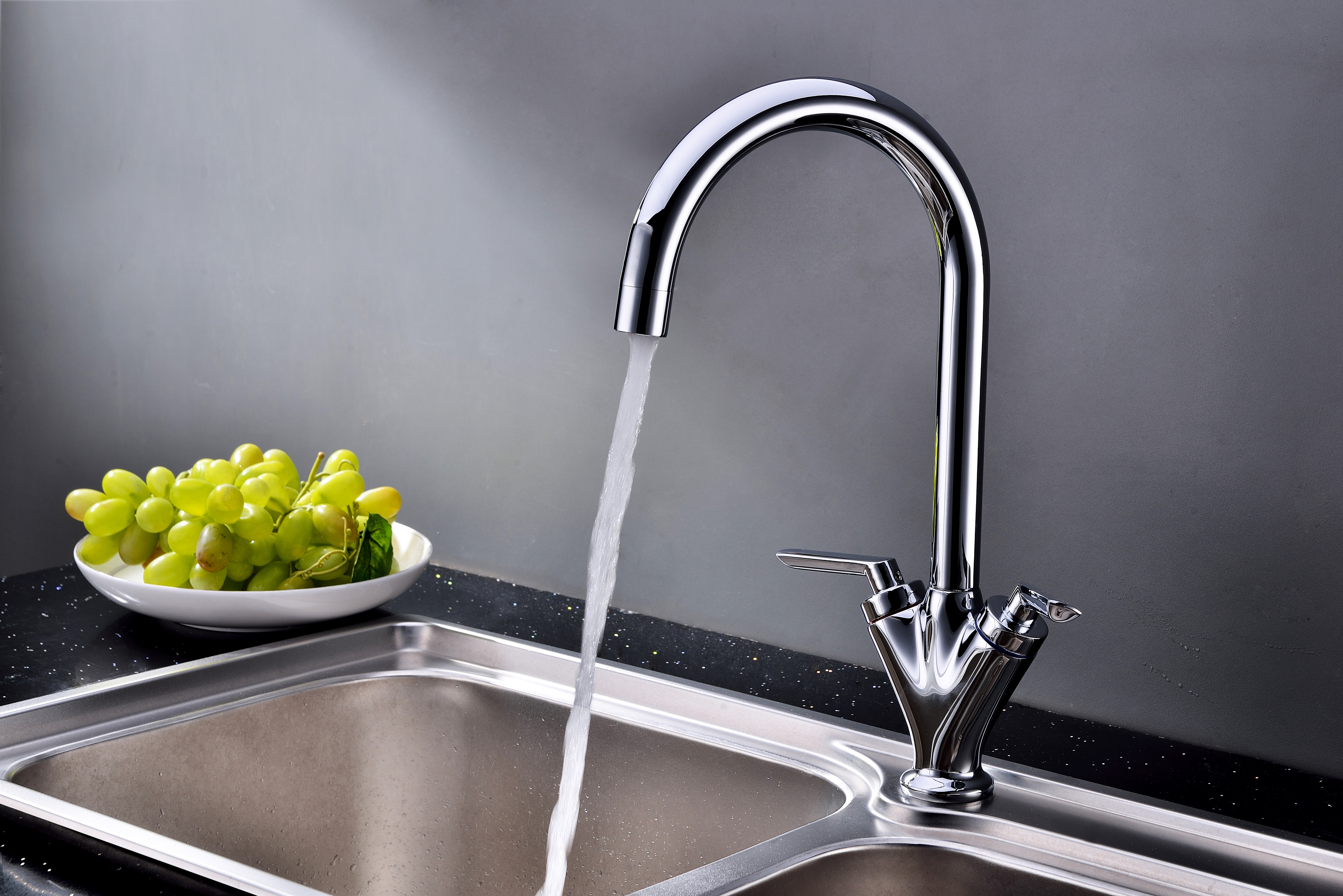
In the B2B commercial kitchen equipment market, distributors selling kitchen faucets have learned a critical lesson: flow rate is not just a specification—it's a cornerstone of customer success and repeat business. When purchasing kitchen faucets for restaurants, hotels, catering facilities, and institutional kitchens, buyers evaluate flow rate with the same rigor they apply to durability and cost. Understanding why distributors prioritize flow rate when marketing kitchen faucets reveals the hidden drivers behind procurement decisions and long-term customer relationships.
The focus on flow rate for kitchen faucets stems from operational necessity rather than feature competition. A commercial kitchen operates under time and volume pressures that residential settings do not. Staff members depend on kitchen faucets to deliver consistent water volume for washing ingredients, filling large pots, sanitizing equipment, and maintaining hygiene standards throughout service hours. When kitchen faucets lack adequate flow rate, operational friction accumulates: slower prep times, bottlenecks during peak service, staff frustration, and ultimately, compromised food safety protocols. Distributors who lead conversations with flow rate metrics demonstrate understanding of these real-world pressures and position themselves as strategic partners rather than commodity vendors.
Flow Rate as an Operational Efficiency Driver
Direct Impact on Kitchen Workflow
Commercial kitchen faucets must support multiple simultaneous workflows: prep stations, dishwashing areas, handwashing stations, and equipment cleaning zones all demand reliable water delivery. A kitchen faucets unit with insufficient flow rate creates cascading delays. During lunch service, when every second counts, staff waiting for slow kitchen faucets to fill containers or rinse vegetables represents lost productivity and missed revenue opportunities. Distributors emphasize this connection because facility managers calculate total cost of ownership, not just purchase price. When kitchen faucets deliver 2.0 gallons per minute instead of 1.5, the time savings across hundreds of daily uses translates to measurable labor efficiency gains that justify a higher initial investment.
Compliance and Health Code Alignment
Health departments and food safety regulations establish minimum water temperature and pressure requirements for different kitchen zones. Kitchen faucets must support adequate flow to meet these standards during simultaneous use scenarios. Distributors who understand local health codes and can confirm that kitchen faucets meet regional compliance requirements build credibility with institutional buyers such as hospitals, schools, and large restaurant chains. A facility manager cannot afford to install kitchen faucets that fail inspection, and distributors who lead with flow rate data and certification information reduce buyer uncertainty and accelerate purchasing decisions.
Profitability and Customer Retention Through Smart Specification
Premium Positioning via Performance Metrics
Distributors selling kitchen faucets recognize that flow rate allows them to segment their product portfolio and justify price differentiation. Premium kitchen faucets with optimized flow patterns, aerators, and pressure-balancing cartridges command higher margins than basic models. By educating buyers about how superior kitchen faucets flow characteristics reduce waste, improve rinsing effectiveness, and last longer under intensive use, distributors create a narrative around value, not cost. This narrative protects margins and builds customer loyalty because buyers invest in kitchen faucets that solve real problems rather than the cheapest option available.
Repeat Business and Customer Lifetime Value
When kitchen faucets perform reliably with adequate flow, facility managers experience fewer maintenance emergencies, fewer water-related complaints, and more satisfied kitchen staff. Distributors who specify kitchen faucets correctly the first time build trust that translates into repeat orders for replacements, expansions, and remodels. Conversely, specifying under-performing kitchen faucets creates service calls, returns, and negative word-of-mouth that damages distributor reputation. For B2B distributors, customer lifetime value far exceeds any single transaction, making flow rate accuracy a strategic business lever rather than a minor technical detail.
Market Differentiation and Competitive Advantage
Technical Consultation as Sales Strategy
Distributors who invest in flow rate knowledge and application expertise differentiate themselves from competitors who simply list product specifications. When a distributor can explain how kitchen faucets flow dynamics interact with existing water pressure, how to evaluate basin tap sizing for multi-station kitchens, and how flow rate affects water heating load, they position themselves as consultants rather than order-takers. This technical depth attracts facility planners and architects who influence large purchasing decisions and appreciate vendors who reduce implementation risk through informed specification.
Market Trends and Water Efficiency
Contemporary commercial kitchen faucets must balance performance with water conservation mandates. Low-flow kitchen faucets that maintain effective cleaning while reducing consumption appeal to environmentally conscious operators and those facing water scarcity pressures. Distributors who explain how advanced aerators and laminar flow technology in modern kitchen faucets deliver high performance with lower flow rates address emerging buyer concerns about sustainability. This positioning demonstrates that flow rate discussion is not about maximizing water consumption but optimizing the performance-efficiency frontier, which resonates with forward-thinking facility managers and procurement officers purchasing kitchen faucets for their organizations.
FAQ
What flow rate should commercial kitchen faucets maintain?
Commercial kitchen faucets typically range from 1.5 to 2.5 gallons per minute depending on application and local codes. Prep and dishwashing stations often benefit from kitchen faucets delivering 2.0–2.5 gallons per minute for speed and efficiency, while handwashing stations may require lower flow. Distributors work with facility managers to specify kitchen faucets that balance operational needs with water conservation targets and regulatory compliance requirements specific to their region and facility type.
How does flow rate affect kitchen faucets durability?
Higher-quality kitchen faucets are engineered to deliver consistent flow at rated volumes without creating pressure spikes that stress internal components. Poorly designed kitchen faucets that restrict flow to artificial levels often develop pressure-balancing failures and cartridge wear. Commercial-grade kitchen faucets with proper flow optimization actually experience less internal stress and maintain reliability longer, making flow rate specification a durability investment that distributors recommend to support warranty and service-life claims.
Why do distributors ask about water pressure when specifying kitchen faucets?
Water pressure varies across facilities, and kitchen faucets perform differently depending on inlet pressure. A kitchen faucets model rated for 2.0 gallons per minute assumes standard pressure conditions; low-pressure facilities may experience reduced flow from the same kitchen faucets unit. Experienced distributors gather pressure data to ensure kitchen faucets specifications match actual site conditions, preventing customer disappointment and installation issues that would reflect poorly on the distributor's credibility and technical expertise.