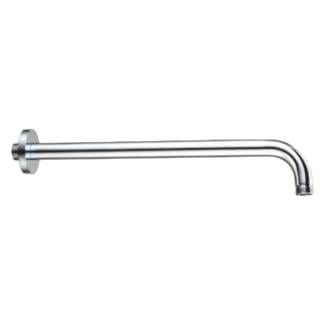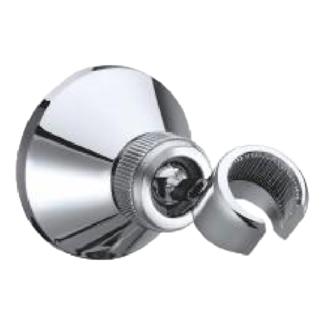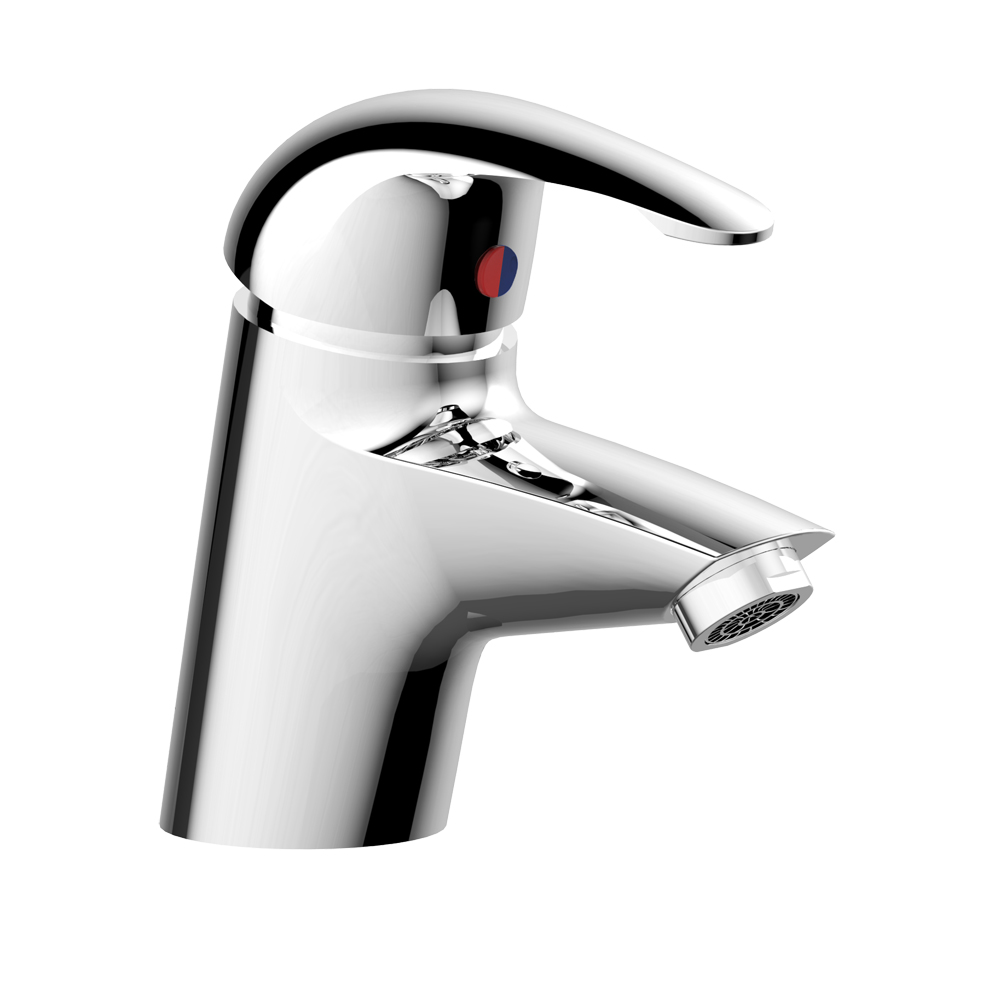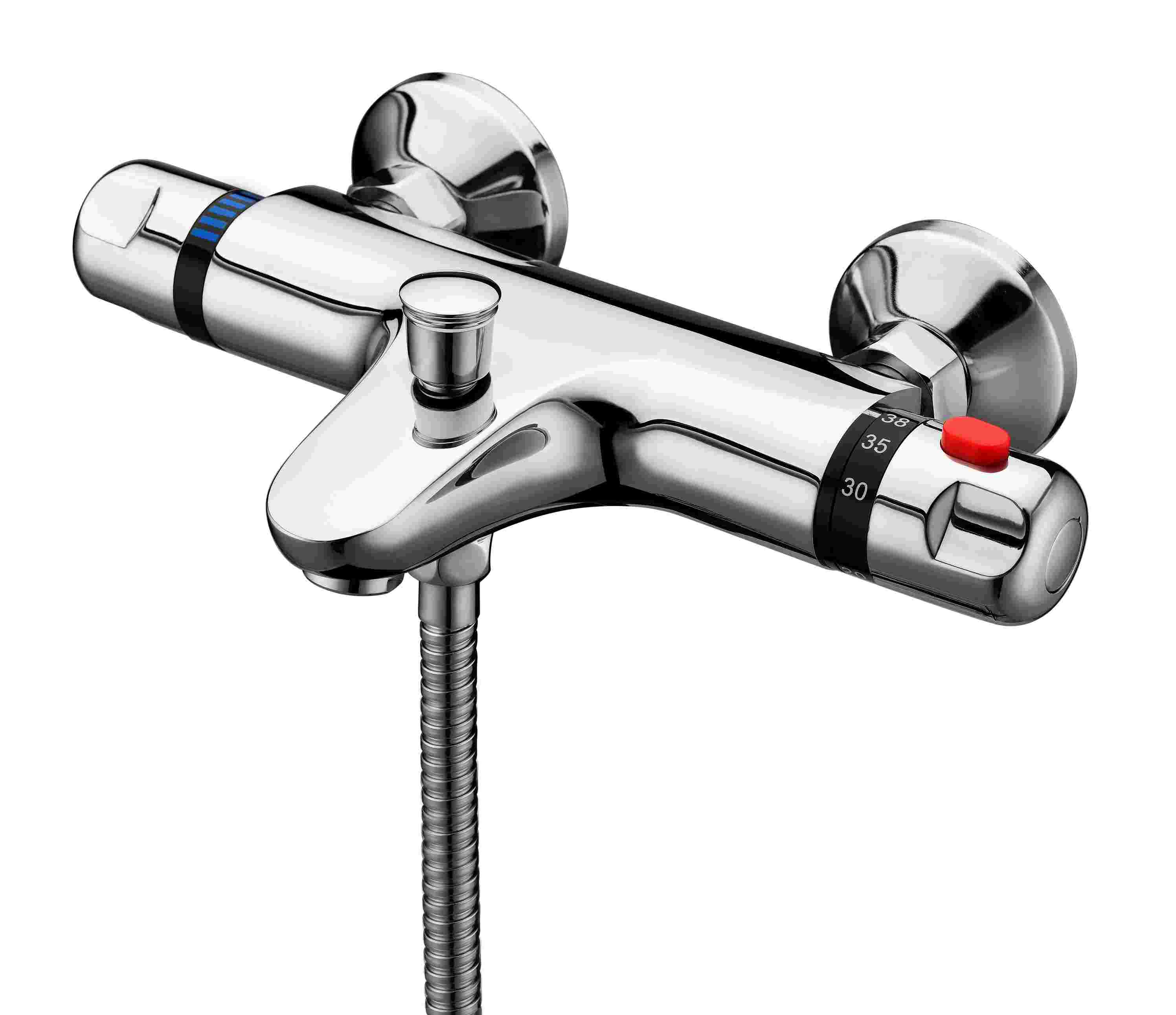
[Product Figure 19: Authentic XINDONG Design & Styling]
For wholesale plumbing distributors, mechanical engineers, and industrial procurement managers, the structural integrity of a brass valve body is of paramount importance. In commercial buildings, municipal water networks, and industrial heating lines, valves must withstand massive static pressures, extreme temperature shifts, and aggressive mechanical torque during installation and operation. Sourcing a valve with internal structural defects can lead to sudden, catastrophic failure under high-pressure conditions. Therefore, when evaluating suppliers, it is crucial to understand how the manufacturing process of the valve body—specifically, hot press forging versus traditional sand casting—impacts the physical strength, bursting pressure, and long-term durability of the valve.
As a premier manufacturer with a 30,000 square meter facility, over 380 employees, and more than 25 years of specialized brass manufacturing experience, Zhejiang Xindong Sanitary Ware Co., Ltd (https://www.cn-xindong.com) is equipped with both high-capacity forging presses and precision machining centers. Holding 65+ national patents, Xindong has conducted extensive research on fluid pressure performance. In this B2B technical guide, we present a comparative analysis of hot forging versus sand casting to help distributors choose the safest and most profitable products for their markets.
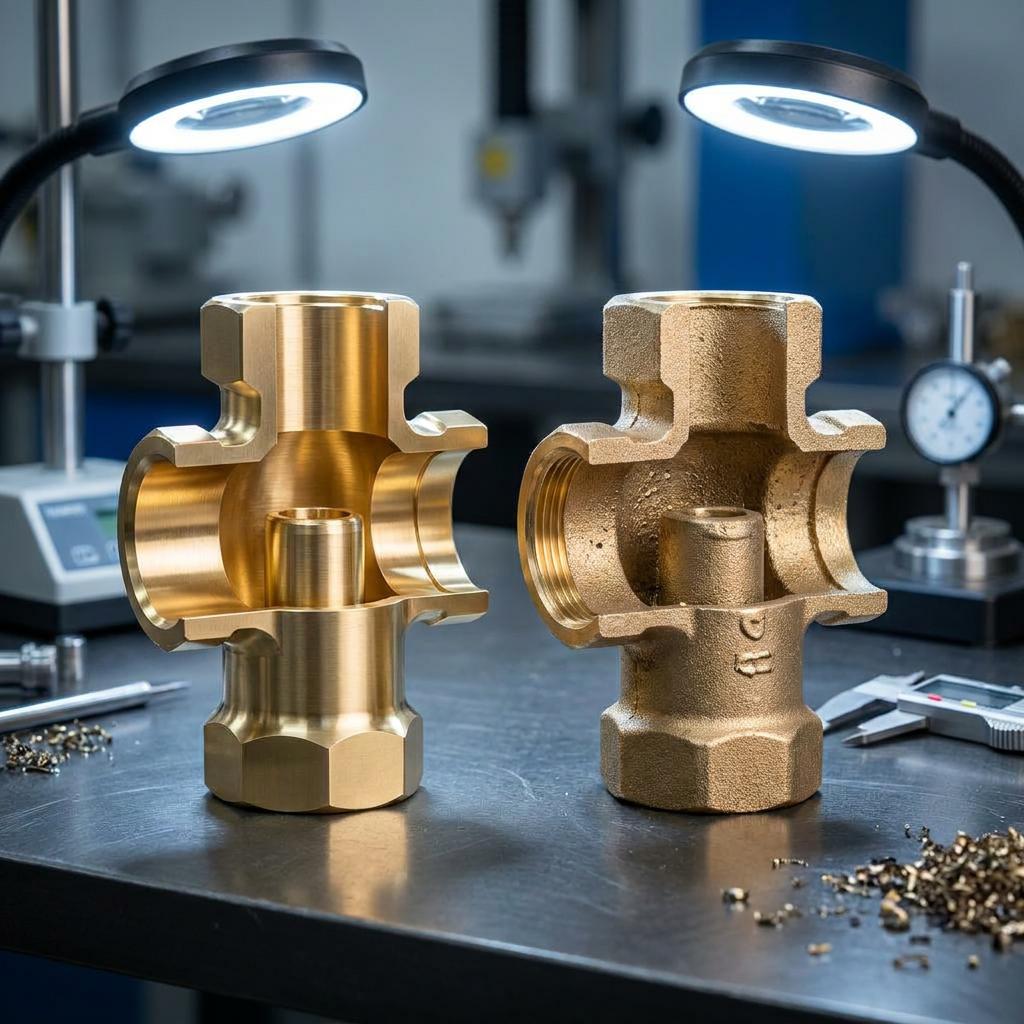
Hot forging is a solid-state manufacturing process where solid brass billets (extruded rods) are heated to a plastic state (typically between 650°C and 750°C) and then compressed under immense mechanical pressure (hundreds of tons) between customized precision-engineered steel dies. This intense physical deformation completely restructures the brass alloy on a microscopic level:
• Grain Alignment: The natural grain structure of the metal is deformed and aligned with the contour of the valve body, resulting in continuous grain flow. This grain alignment dramatically increases structural toughness and resistance to shear forces.
• Elimination of Porosity: The massive pressure applied during forging compresses the metal molecules, sealing any microscopic voids, gas pockets, or internal stresses.
• Superior Density: The solid-state deformation ensures a highly dense and homogeneous structure with excellent mechanical properties, making the valve body highly resistant to high bursting pressures.
At Zhejiang Xindong, our hot forged brass valve wholesale products undergo strict microscopic grain analysis to ensure that every forged body meets the highest structural standards, preventing any pinhole leaks under elevated operating pressures.
Traditional sand casting involves melting brass alloy at extremely high temperatures (over 1000°C) and pouring the liquid metal into sand-based molds. While sand casting is highly versatile for creating extremely large, complex shapes and requires lower tooling costs, it introduces significant material risks for high pressure valve body manufacturing:
• Micro-Porosity and Gas Inclusions: As molten brass cools within a sand mold, gases can become trapped inside, forming tiny microscopic bubbles or voids. These internal cavities are invisible to the naked eye but act as structural weak points.
• Sand and Slag Inclusions: Small particles of sand from the mold can detach and mix with the molten metal, leading to non-metallic inclusions that severely compromise the integrity of the valve walls.
• Shrinkage Cracks: Uneven cooling rates of molten metal in a sand mold can lead to localized shrinkage cracks, particularly at the joints and thin sections, which can easily fail under high-pressure water hammer events.
Because of these inherent casting defects, standard brass casting factory China products typically exhibit much lower mechanical strength, making sand cast valves highly risky for commercial high-pressure HVAC or municipal domestic plumbing systems.
Beyond structural strength, hot forging offers incredible advantages in terms of dimensional precision and surface aesthetics. Forged valves are pressed in highly accurate steel dies, yielding extremely tight dimensional tolerances (+/- 0.2 mm).
This exceptional precision means that forged valve bodies require minimal finish machining, saving significant production time and cost. The surface of a forged brass valve is smooth, clean, and free of the rough, grainy texture characteristic of sand casting. This smooth finish is highly beneficial for subsequent surface finishes, such as premium chrome plating or nickel plating, which require a flawlessly smooth metal substrate to adhere properly and resist peeling. Sand-cast valves often require extensive manual grinding and polishing to achieve an acceptable surface, which increases labor costs and introduces geometric deviations.
When comparing mechanical limits, the difference between forged and cast brass is striking. Hot forged CW617N brass valve bodies manufactured by Zhejiang Xindong have a tensile strength of up to 450 MPa and an elongation limit of over 15%, providing high mechanical resilience and ductility. In contrast, standard sand-cast brass typically achieves a tensile strength of only 250 to 300 MPa, with an elongation limit under 8%, making it far more brittle and prone to catastrophic cracking under stress.
Zhejiang Xindong's forged valves are engineered for high pressure valve body manufacturing, comfortably handling operational pressures up to PN25 and PN40, with tested bursting pressures exceeding 60 bars. Sand-cast brass valves are generally limited to low-pressure applications (PN10 or lower) due to the unpredictable nature of internal casting porosity.
For wholesale distributors, sourcing cheap, sand-cast brass valves is a false economy. The higher initial cost of hot forged brass valve wholesale products is offset by several crucial business advantages:
• Zero-Defect Reliability: Sourcing forged valves eliminates the risk of pinhole leaks, reducing expensive customer warranty claims and returns.
• Brand Reputation: Offering forged valves establishes your business as a high-quality supplier, helping you secure lucrative commercial contracts.
• Extended Lifespan: Forged brass resists stress-corrosion cracking and physical impacts, ensuring decades of trouble-free service.
Partnering with Zhejiang Xindong Sanitary Ware Co., Ltd allows you to source top-tier, hot-forged brass valves directly from our highly certified 30,000 sqm production facility in China. Contact our sales team today at https://www.cn-xindong.com to request product catalogs, mechanical test certificates, and competitive volume pricing.
Zhejiang Xindong Sanitary Ware Co., Ltd is an established, world-class OEM/ODM manufacturer specializing in premium faucets, thermostatic shower sets, and brass valves since 1999. Operating a state-of-the-art 30,000+ sqm manufacturing facility with 380+ highly skilled employees and over 65 patented designs, we provide rigorous QC testing and compliance certifications (WRAS, CE, ACS) for global B2B distributors near major maritime ports.
Email Inquiry: [email protected] | Official Portal: www.cn-xindong.com
 Hot News
2026-10-17
2026-10-16
2026-10-15
2026-10-14
2026-10-13
2026-10-12

The company, founded in 1999 and located in Yuhuan,specializes in taps, thermostatic shower valves and shower kits. With over 30,000 sqm of space and 380+ employees, we hold numerous certifications and 65+ patents.
 EN
EN