 EN
EN

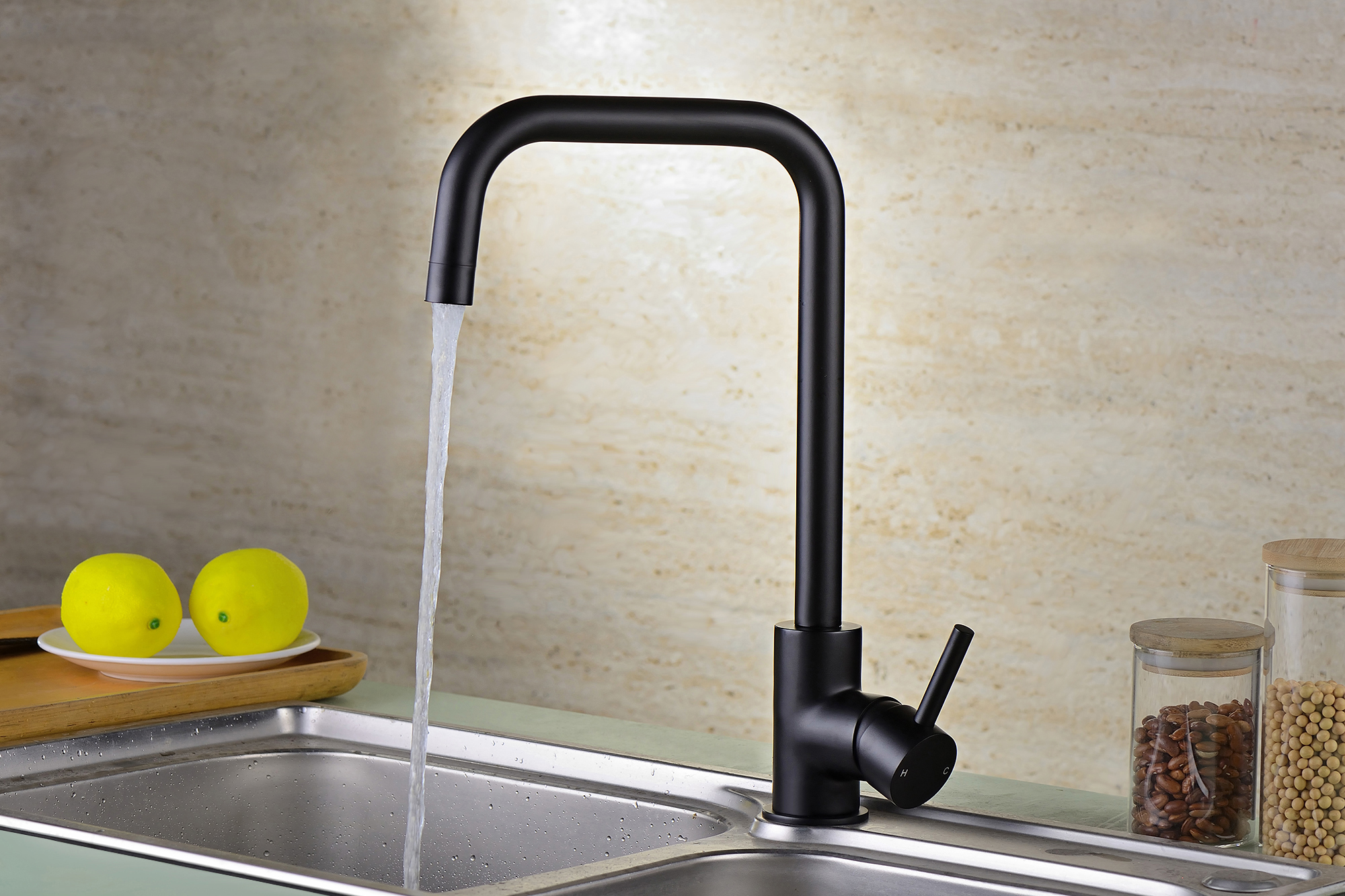
When managing water temperature across a large commercial or residential building, consistency is one of the hardest challenges to solve. A thermostatic valve is specifically engineered to address this challenge by automatically regulating flow to maintain a preset output temperature. But the real question many building managers and engineers ask is whether a thermostatic valve can truly deliver that consistency in large-scale installations, where pressure fluctuations, pipe distances, and simultaneous usage all work against stable temperature output.
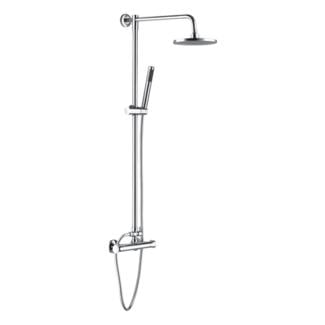
The short answer is yes, a thermostatic valve can maintain constant temperature in large buildings, but only when the right type of thermostatic valve is selected, correctly sized, and supported by a well-designed system. Understanding what makes a thermostatic valve effective at scale requires looking at how the device works, what conditions it depends on, and where its limitations begin. This article examines all three areas in practical detail for B2B decision-makers and facility engineers.
How a Thermostatic Valve Regulates Temperature
The Core Mechanism of a Thermostatic Valve
A thermostatic valve works by using a temperature-sensitive element, typically a wax cartridge or bimetallic component, that expands and contracts in response to changes in water temperature. As the output temperature rises above the setpoint, the thermostatic valve closes the hot water inlet slightly to reduce heat. When the temperature drops, the thermostatic valve opens the hot inlet to compensate. This continuous self-adjustment happens without any external power source or electronic controller, making the thermostatic valve a reliable, passive control device.
The speed and accuracy of this reaction depend on the quality of the sensing element inside the thermostatic valve. High-grade wax cartridges respond within seconds to temperature changes, which is essential in buildings where simultaneous draw-offs and pressure shifts are frequent. A well-designed thermostatic valve can hold output temperature within plus or minus two degrees Celsius under most normal operating conditions, which meets or exceeds most comfort and safety standards.
Setpoint Flexibility and Safety Features
One major advantage of a thermostatic valve in large buildings is the ability to set a precise maximum output temperature. This is particularly important in care homes, schools, hospitals, and hotels where scalding risk must be minimized. A thermostatic valve with an anti-scald function will physically prevent delivery of water above the defined threshold, regardless of the incoming hot supply temperature. This makes the thermostatic valve not just a comfort device but a safety-critical component in public or vulnerable-occupant environments.
Performance of a Thermostatic Valve in Large Buildings
Pressure Variation and Flow Balancing
Large buildings present conditions that challenge any temperature control solution. Multiple floors, long pipe runs, and simultaneous usage create significant pressure variation at each outlet point. A thermostatic valve is designed to compensate for some degree of pressure imbalance between hot and cold supplies, but this compensation has limits. If the pressure differential between hot and cold exceeds the operating specification of the thermostatic valve, temperature stability begins to degrade. This is why thermostatic valve selection must be matched carefully to the actual pressure conditions in the building.
In multi-story buildings, it is common to install a thermostatic valve at the zone level rather than relying solely on a single thermostatic valve for the entire system. Zone-level thermostatic valve placement reduces the pressure and flow variation that each unit must handle, resulting in better temperature control throughout the building. When paired with a properly balanced distribution network, each thermostatic valve performs within its rated accuracy range consistently.
Simultaneous Usage and Thermal Recovery
One realistic scenario in large buildings is peak-hour usage, where many outlets operate at the same time. During these periods, the hot water supply temperature may drop momentarily due to high throughput. A thermostatic valve handles this by opening the hot inlet wider to compensate, but if the supply temperature falls too far below the thermostatic valve setpoint, the device cannot fully compensate. This is not a failure of the thermostatic valve itself but rather a system capacity issue. Correct boiler sizing and buffer tank design are prerequisites for a thermostatic valve to perform as intended during peak demand.
Thermal recovery time also matters. A high-quality thermostatic valve returns to its setpoint temperature quickly after a supply fluctuation, minimizing user disruption. Buildings that invest in a properly specified thermostatic valve with a fast-response cartridge experience noticeably better temperature consistency during high-demand periods compared to those using standard mixing valves without thermostatic technology.
Selecting the Right Thermostatic Valve for Large-Scale Use
Types of Thermostatic Valve Available
The market offers several formats of thermostatic valve suited to different installation contexts. A point-of-use thermostatic valve, such as a thermostatic shower kit, provides localized temperature control at a single fixture. A central thermostatic valve or thermostatic mixing valve handles the entire hot water output for a zone or building entry point. For large buildings, the most effective approach usually involves a combination: a central thermostatic valve to manage the bulk supply temperature, supported by individual thermostatic valve units at high-risk or high-use points.
A thermostatic valve with a high flow capacity rating is essential for commercial applications. Undersizing a thermostatic valve creates pressure drop and reduces flow, which in turn affects temperature performance. Engineers specifying a thermostatic valve for a large building should always account for peak flow demand rather than average flow when selecting valve size and model.
Installation and Maintenance Considerations
Even the most capable thermostatic valve will underperform if installed incorrectly. Each thermostatic valve must be oriented according to the manufacturer's specification to ensure the sensing element contacts the mixed water output accurately. Limescale buildup over time can affect the responsiveness of the thermostatic valve cartridge, which is why annual inspection and periodic cartridge replacement are standard maintenance practices in commercial buildings. Choosing a thermostatic valve with accessible, replaceable cartridges simplifies long-term upkeep and protects the performance of the system without requiring full valve replacement.
FAQ
Can one thermostatic valve serve an entire large building?
A single central thermostatic valve can serve as the primary temperature control point for an entire building's hot water supply, but large buildings typically benefit from additional thermostatic valve units at zone or fixture level. This layered approach improves accuracy, safety, and resilience across different floors and usage zones.
How often does a thermostatic valve need to be serviced in a commercial building?
A thermostatic valve in a commercial setting should be inspected at least once per year. Cartridge condition, limescale buildup, and flow performance should all be checked. Replacing the thermostatic valve cartridge every two to three years is a common preventive maintenance practice that keeps temperature accuracy within specification.
What temperature range can a thermostatic valve maintain?
Most commercial-grade thermostatic valve models are adjustable between 35 and 65 degrees Celsius, with a common setpoint of 38 to 43 degrees Celsius for domestic hot water outlets. The thermostatic valve holds the output temperature within a narrow band around the setpoint, typically plus or minus two degrees, under stable supply conditions.