 EN
EN

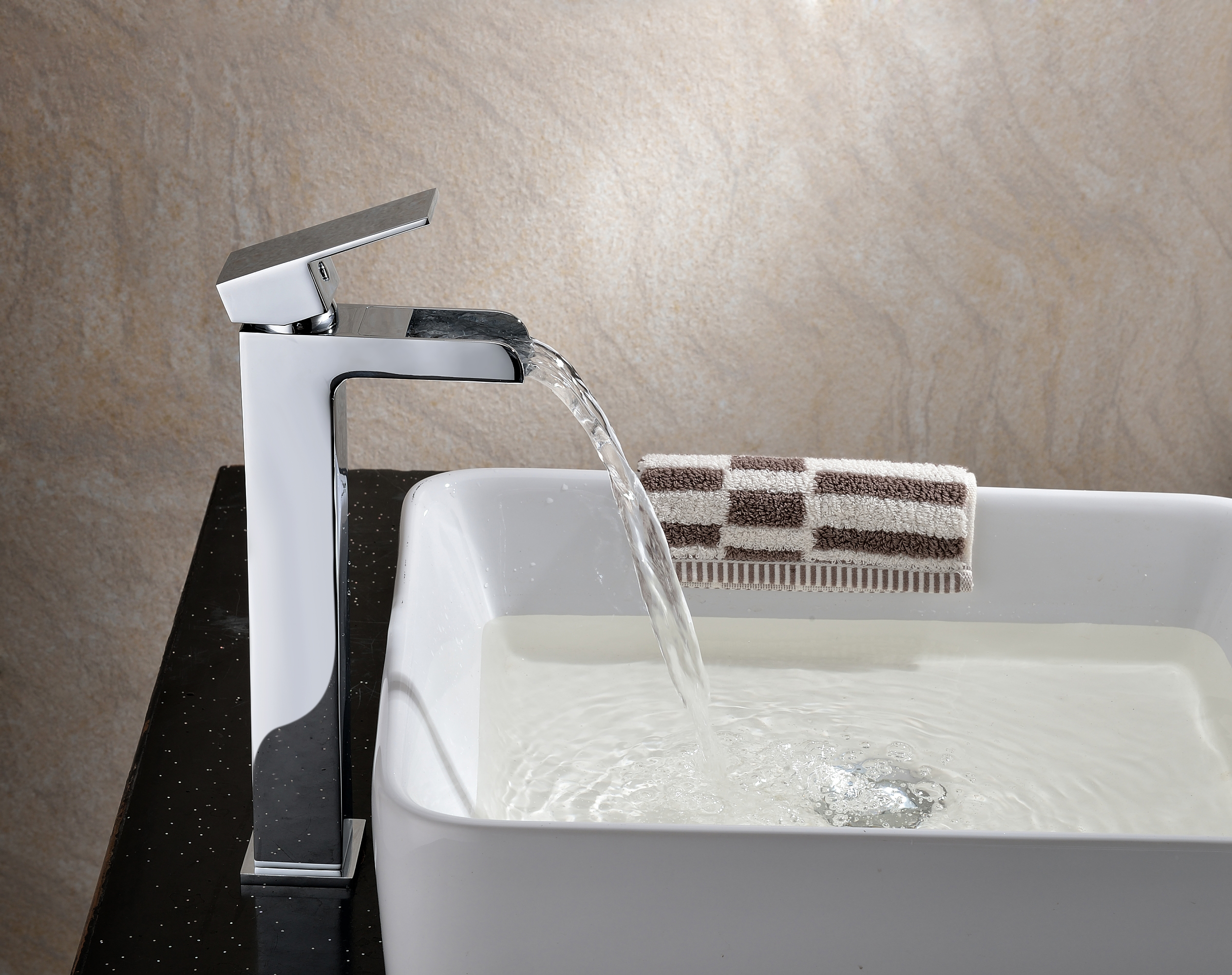
A thermostatic valve is one of the most effective tools available for reducing energy consumption in residential and commercial water systems. By maintaining a precise, pre-set output temperature without manual adjustment, a thermostatic valve eliminates the trial-and-error process that wastes both water and heat. As energy costs continue to rise and sustainability becomes a priority for building owners, understanding the energy-saving advantages of a thermostatic valve system has never been more relevant.
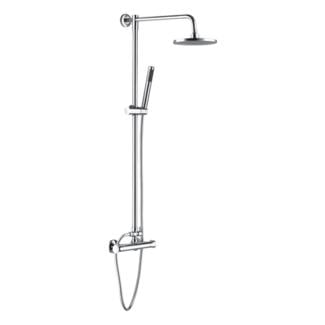
A well-designed thermostatic valve works by automatically balancing hot and cold water supplies to deliver a stable temperature at the outlet. This automatic regulation means that each time the thermostatic valve is activated, it reaches the target temperature quickly and maintains it consistently throughout use. For anyone seeking to cut utility bills or meet building energy standards, the thermostatic valve delivers measurable, practical results.
How a Thermostatic Valve Eliminates Temperature Waste
Rapid Temperature Stabilization
One of the primary energy-saving features of a thermostatic valve is its ability to reach the desired temperature almost instantly upon activation. Unlike a conventional valve, which requires the user to wait for water to heat up or cool down, the thermostatic valve uses a wax element or bimetallic actuator to regulate flow before water exits the outlet. This means less water is flushed away while waiting for the right temperature to arrive, directly reducing both hot water consumption and the energy used to heat it.
The thermostatic valve maintains a consistent output temperature even when supply pressures or inlet temperatures fluctuate. If a cold water draw elsewhere in the building suddenly changes inlet conditions, the thermostatic valve compensates automatically. This self-correcting behavior prevents unexpected temperature spikes or drops that would otherwise prompt users to re-adjust, wasting additional water and thermal energy in the process.
Preventing Over-Heating and Unnecessary Heat Loss
Conventional plumbing systems often heat water to very high storage temperatures to compensate for distribution losses, then mix it down at the point of use. A thermostatic valve integrated into the system allows precise mixing at the delivery point, so stored water temperature can be better managed without over-heating the entire supply. When the thermostatic valve controls the blend accurately, less energy is spent compensating for heat dissipated along pipe runs. Each thermostatic valve installation therefore contributes to a leaner, more efficient thermal management strategy across the entire building.
Long-Term Efficiency Gains From a Thermostatic Valve System
Consistent Performance Over Time
A quality thermostatic valve is engineered for durability and maintains its calibrated performance over years of use. Because the thermostatic valve regulates temperature through a mechanical cartridge rather than user habit, efficiency does not depend on occupant behavior. In commercial settings, where dozens of users interact with the same system daily, a thermostatic valve ensures that every session consumes only what is necessary and no more. This consistency translates directly into predictable, lower energy bills month after month.
The thermostatic valve also reduces wear on water heating equipment by minimizing temperature fluctuations that cause thermal cycling stress. When the thermostatic valve delivers steady-state output, the boiler or water heater operates in a more stable regime, improving its own efficiency and extending its service life. Investing in a thermostatic valve system therefore generates savings not only in water and energy consumption but also in maintenance and equipment replacement costs over the long term.
Scalability Across Multiple Outlets
Modern thermostatic valve systems are designed to scale efficiently. A single thermostatic valve can serve one shower or basin, while more advanced configurations allow one thermostatic valve manifold to control multiple outlets simultaneously. In hotels, hospitals, or multi-unit residential buildings, deploying a thermostatic valve at each critical point ensures that energy savings multiply with each installation. The modular nature of thermostatic valve technology means facilities managers can expand coverage incrementally, prioritizing high-use zones first and extending the thermostatic valve network as budgets allow.
Safety and Comfort as Energy-Saving Enablers
Scald Prevention Reduces Behavioral Waste
A thermostatic valve includes a built-in temperature limiter that prevents water from exceeding a safe maximum, typically set at 38°C for shower applications. This safety feature directly supports energy efficiency because users do not run excess cold water to compensate for dangerously hot output. Without a thermostatic valve, users often set conventional valves too hot as a default and then dilute with cold water, wasting the thermal energy already invested in heating. The thermostatic valve removes this behavioral inefficiency entirely, delivering the right temperature on demand.
In facilities serving children, elderly residents, or patients, the temperature-limiting function of a thermostatic valve is both a safety requirement and an energy discipline. Compliance with scald-prevention regulations becomes effortless when a thermostatic valve is installed, and the energy savings are a natural byproduct. A thermostatic valve thus aligns safety policy with operational efficiency in a single, elegant solution.
Comfort Consistency Reduces Extended Run Times
Users who experience consistent, comfortable output from a thermostatic valve tend to complete their showering or washing routines more efficiently. When a conventional valve delivers unpredictable temperatures, users extend their sessions while waiting for conditions to stabilize. A thermostatic valve eliminates this delay, shortening average water use durations. Over hundreds of daily uses in a commercial facility, the cumulative reduction in run time achieved by the thermostatic valve adds up to a significant volume of hot water saved and a meaningful reduction in energy demand.
FAQ
How much energy can a thermostatic valve system actually save?
The exact savings depend on the existing system and usage patterns, but a thermostatic valve typically reduces hot water waste by cutting the time needed to reach target temperature and preventing over-use. In high-traffic facilities, a thermostatic valve installation can contribute to noticeable reductions in water heating costs when compared with conventional manual valve systems.
Is a thermostatic valve suitable for both residential and commercial use?
Yes. A thermostatic valve is engineered to perform reliably in single-family homes, apartment buildings, hotels, hospitals, and industrial facilities. The thermostatic valve is available in configurations ranging from compact single-outlet units to large manifold systems, making it adaptable to virtually any scale of application.
Does a thermostatic valve require special maintenance to stay efficient?
A thermostatic valve is designed for low maintenance. Periodic inspection of the thermostatic valve cartridge and descaling in hard-water areas is recommended to maintain peak performance. With routine care, a thermostatic valve retains its temperature accuracy and energy-saving characteristics for many years without major servicing.