 EN
EN

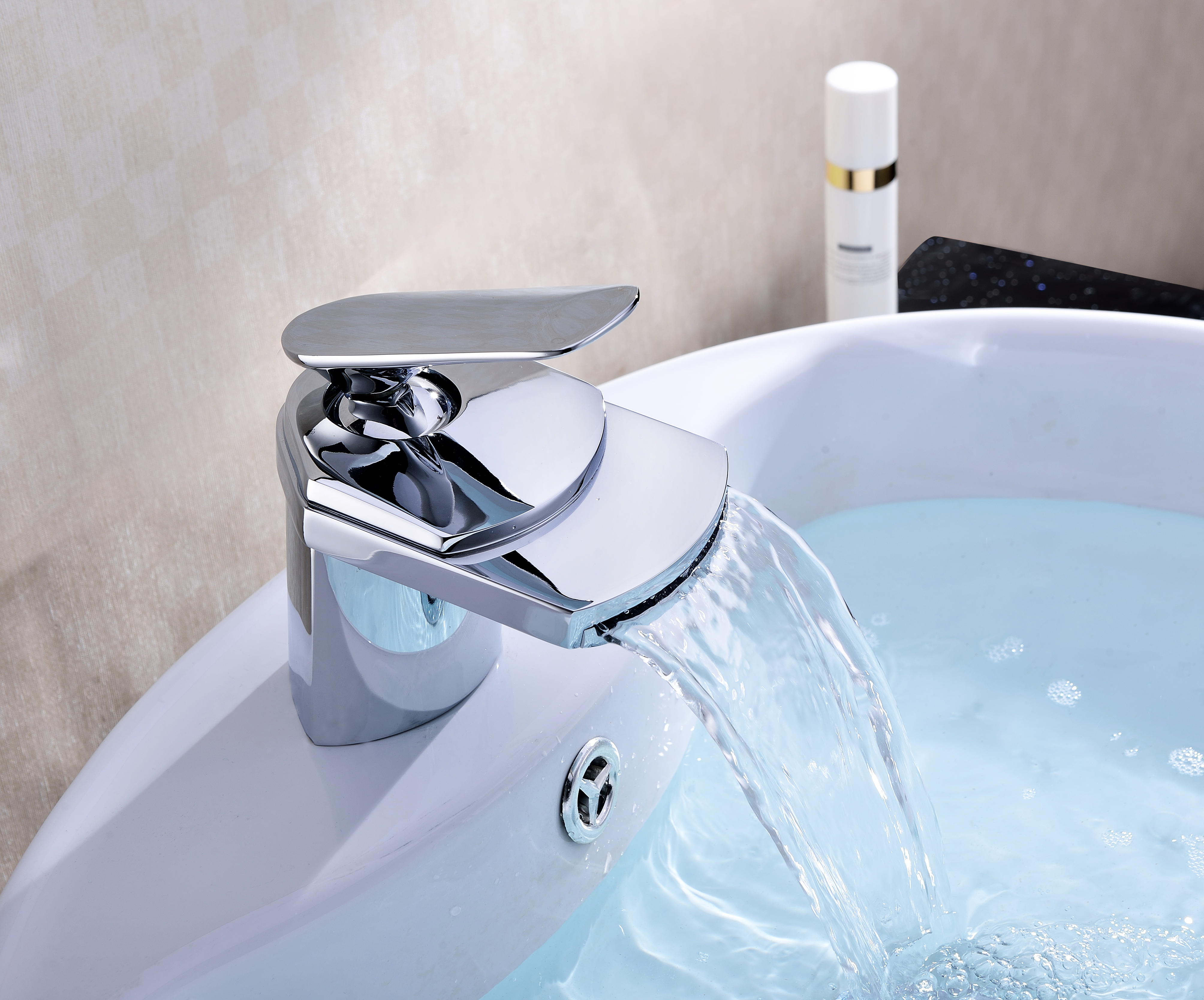
In the competitive hospitality sector, procurement decisions are rarely made on price alone. When resort operators and B2B buyers evaluate hot water delivery systems, the anti-scald thermostatic valve consistently rises to the top of the shortlist. Understanding why requires a closer look at the operational, legal, and guest-experience pressures that resort properties face every day. An anti-scald thermostatic valve is not simply a plumbing component — it is a strategic investment in safety, brand reputation, and long-term cost control.
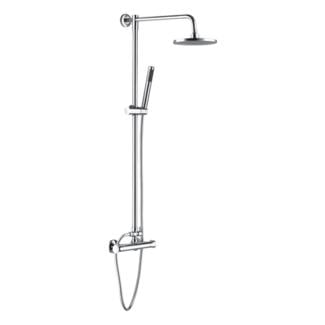
Resort properties serve a diverse population of guests — families with young children, elderly travelers, and international visitors who may be unfamiliar with local plumbing norms. Every shower room represents a potential liability point. The anti-scald thermostatic valve addresses that liability directly by maintaining a precise, pre-set water temperature regardless of pressure fluctuations or competing demand from other outlets. For B2B buyers responsible for dozens or hundreds of guest rooms, specifying an anti-scald thermostatic valve across the entire property is a decision that pays dividends at every level of operations.
Safety Standards and Liability Reduction
Meeting Regulatory Requirements in Hospitality
One of the most immediate reasons B2B buyers prefer the anti-scald thermostatic valve is its alignment with building codes and health regulations. Many jurisdictions require that commercial accommodation facilities install anti-scald protection in all guest bathrooms. The anti-scald thermostatic valve is specifically engineered to satisfy these requirements, maintaining outlet temperatures at or below the thresholds mandated by most international plumbing standards. Procurement managers who specify an anti-scald thermostatic valve can present documentation to compliance officers, insurers, and building inspectors with confidence. This reduces friction during audits and significantly lowers the risk of code violations that could result in costly retrofits or fines.
Protecting Guests and Reducing Incident Risk
Thermal burns from shower water are among the most common preventable injuries in hotel and resort environments. The anti-scald thermostatic valve eliminates this risk by reacting instantly to supply temperature changes and cutting off flow if cold water pressure drops unexpectedly. For resort properties, even a single scalding incident can generate legal exposure, negative reviews, and lasting reputational damage. B2B buyers understand that the anti-scald thermostatic valve is one of the most effective single-point interventions available to prevent such events. When safety managers evaluate risk mitigation tools, the anti-scald thermostatic valve is consistently ranked as a high-priority specification because it removes the human error variable entirely.
Operational Efficiency and Guest Satisfaction
Consistent Water Temperature Across High-Demand Periods
Resort facilities experience dramatic fluctuations in hot water demand, particularly during morning and evening peak hours when hundreds of guests use facilities simultaneously. Conventional pressure-balancing valves often fail to maintain stable temperatures under these conditions, leading to uncomfortable and potentially dangerous temperature swings. The anti-scald thermostatic valve uses a thermostatic cartridge to monitor and adjust water temperature in real time, delivering consistent performance regardless of how many outlets are in use. For a resort with multiple shower towers, spa facilities, and fitness center bathrooms, specifying an anti-scald thermostatic valve throughout means that every guest receives the same reliable experience. This consistency is a direct driver of positive guest feedback and repeat bookings, which B2B buyers factor heavily into their total cost of ownership analysis.
Reduced Maintenance Burden and Longer Service Life
The anti-scald thermostatic valve is designed for commercial durability. High-quality thermostatic cartridges within the anti-scald thermostatic valve resist limescale buildup, corrosion, and wear even in high-use environments. Compared to conventional mixing valves that require frequent recalibration after temperature drift, the anti-scald thermostatic valve holds its set point reliably over extended service periods. For resort operators managing large inventories of bathroom fixtures, this translates to fewer maintenance callouts, lower labor costs, and reduced downtime. B2B buyers responsible for total facility management appreciate that an anti-scald thermostatic valve installed correctly today will continue to perform to specification for years without requiring significant intervention.
Long-Term Value and B2B Procurement Logic
Total Cost of Ownership Over Unit Price
Experienced B2B buyers in the resort sector evaluate plumbing components on total cost of ownership, not initial purchase price. The anti-scald thermostatic valve may carry a higher upfront cost than a basic pressure-balancing alternative, but its advantages compound over time. The anti-scald thermostatic valve reduces energy waste by delivering water at the precise target temperature without the need for guests to run the shower extensively before entering. It reduces liability insurance exposure. It minimizes maintenance visits. When resort procurement teams model these variables across a multi-year period, the anti-scald thermostatic valve consistently delivers a favorable return. This is why B2B buyers in the hospitality sector move away from lowest-cost specifications and toward quality-driven selections like the anti-scald thermostatic valve.
Specification Flexibility and Installation Compatibility
Modern anti-scald thermostatic valve designs are available in configurations that suit a wide range of resort bathroom layouts and plumbing architectures. Whether the project involves new construction or a phased renovation of existing guest rooms, an anti-scald thermostatic valve can be integrated without requiring complete pipe rerouting. B2B buyers working with contractors and interior designers appreciate that the anti-scald thermostatic valve comes in wall-mounted, concealed, and exposed variants, supporting both functional and aesthetic requirements. The ability to maintain a single specification standard across an entire property simplifies procurement, reduces spare parts inventory complexity, and makes staff training more straightforward. These operational advantages make the anti-scald thermostatic valve an ideal choice for large-scale resort procurement programs.
FAQ
What temperature does an anti-scald thermostatic valve maintain in a resort setting?
Most anti-scald thermostatic valve units used in resorts are pre-set or field-adjusted to deliver water between 38°C and 43°C, depending on local regulatory requirements and operator preference. The anti-scald thermostatic valve maintains this range consistently even during peak demand periods, ensuring guest comfort and regulatory compliance simultaneously.
Is an anti-scald thermostatic valve suitable for both new builds and renovations?
Yes. The anti-scald thermostatic valve is engineered for versatility, and most commercial-grade models are compatible with existing hot and cold supply configurations. B2B buyers undertaking phased resort renovations frequently specify the anti-scald thermostatic valve as a drop-in upgrade, replacing older mixing valves without major structural changes to bathroom plumbing.
How does an anti-scald thermostatic valve differ from a standard pressure-balancing valve?
A standard pressure-balancing valve compensates for pressure changes between hot and cold supplies but does not actively regulate outlet temperature. An anti-scald thermostatic valve uses a thermostatic element to monitor and adjust the mix ratio continuously, maintaining a precise temperature even when supply temperatures shift. This makes the anti-scald thermostatic valve a significantly more reliable solution for commercial resort environments where guest safety and comfort cannot be compromised.