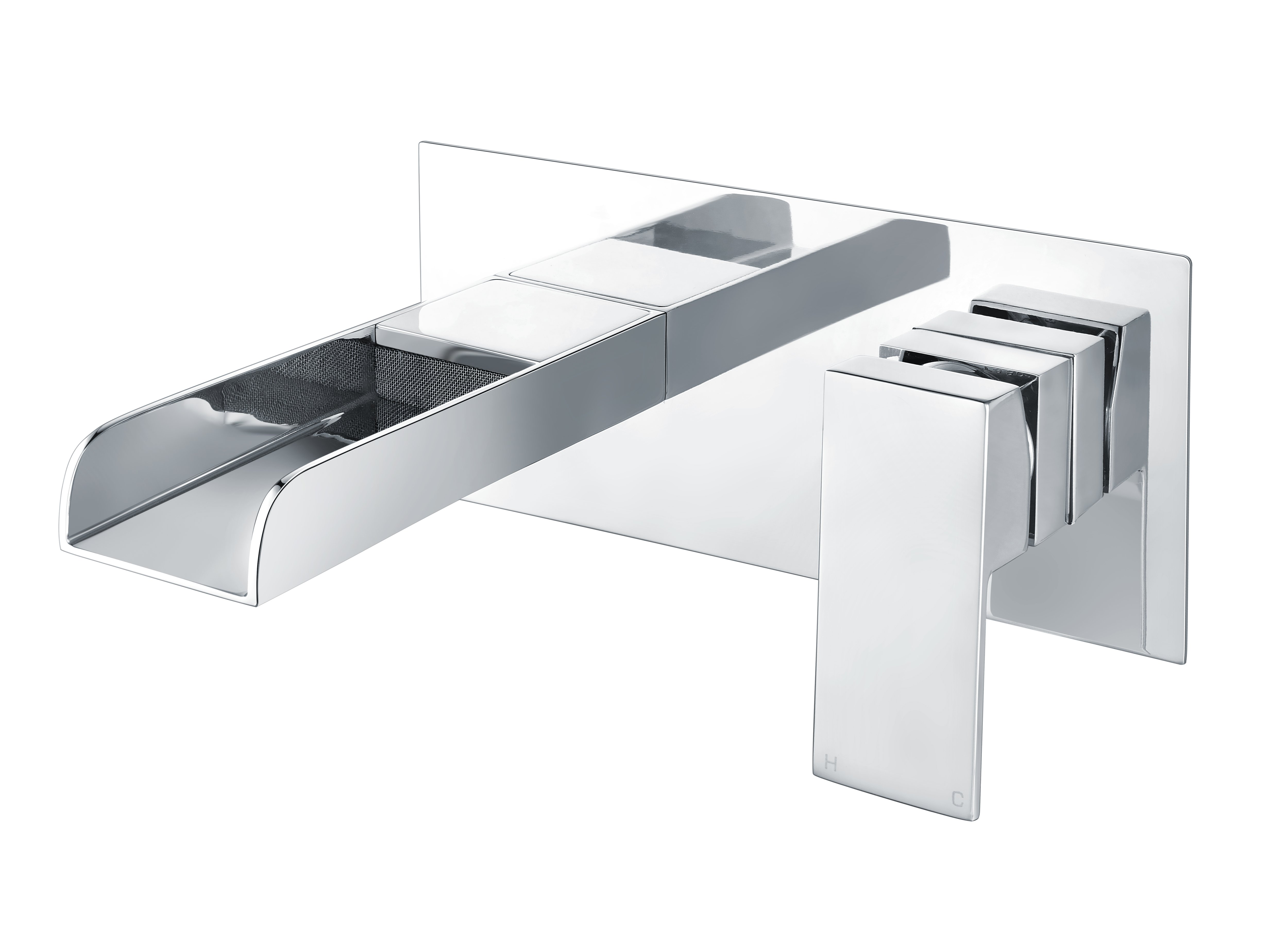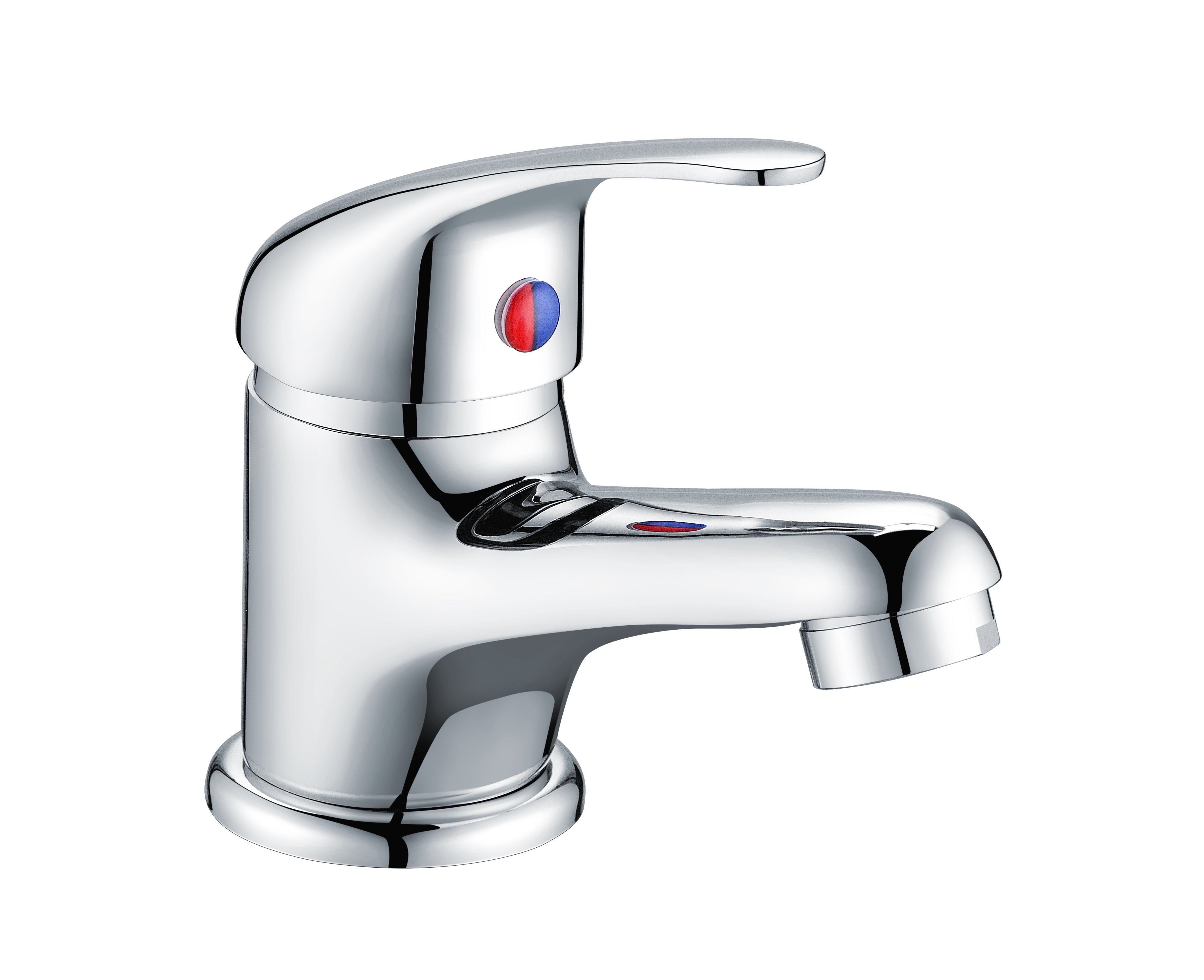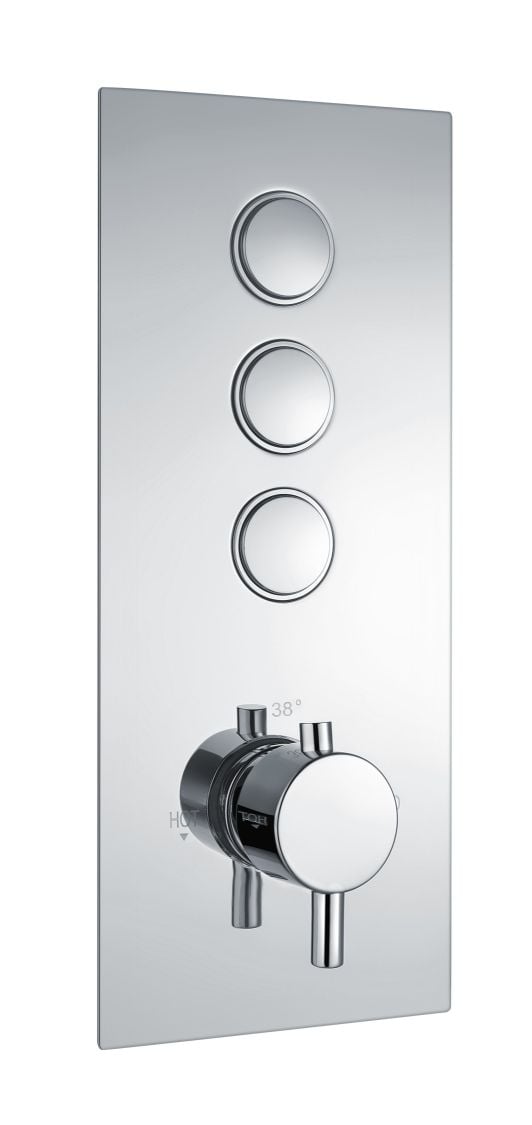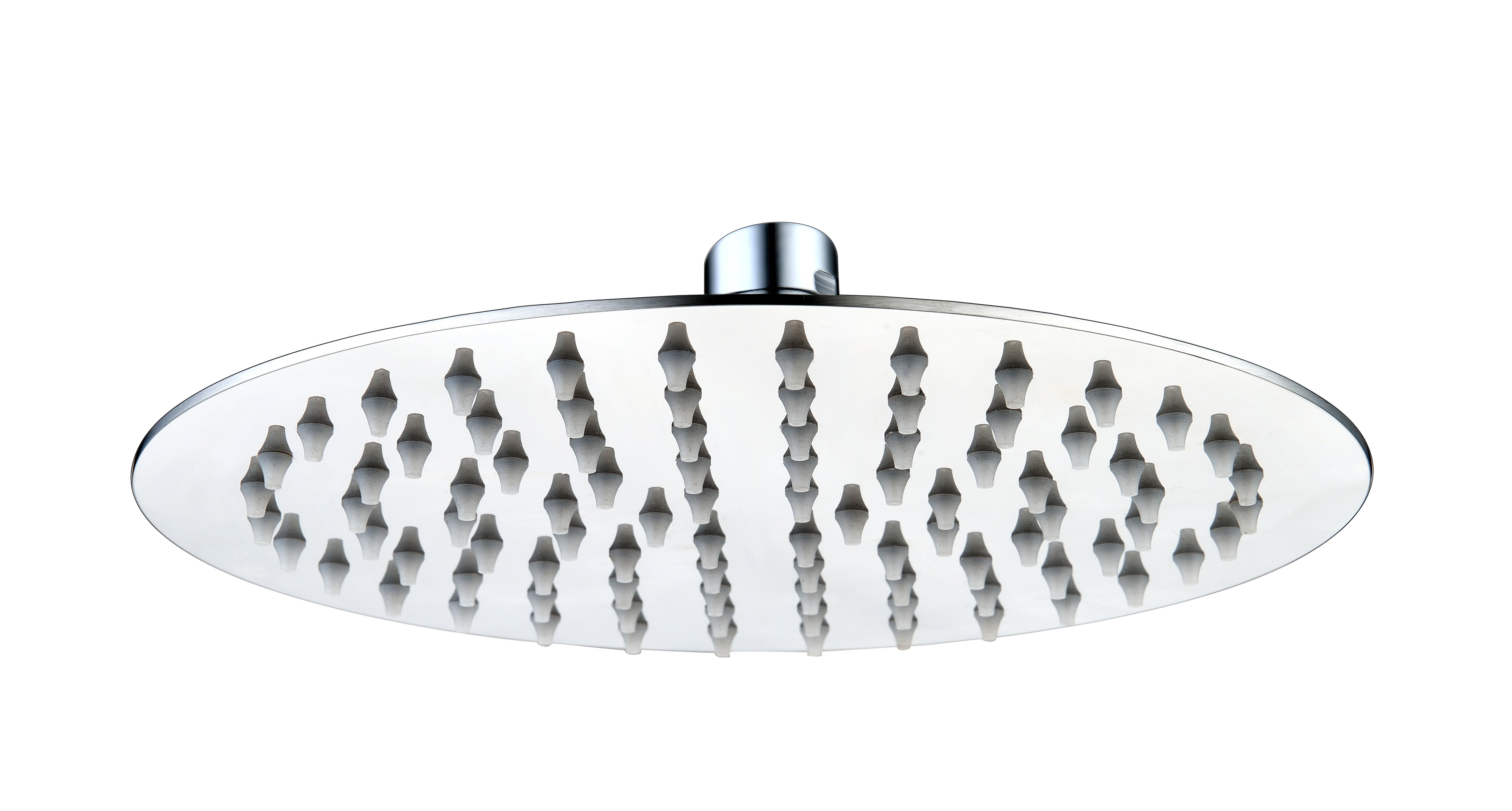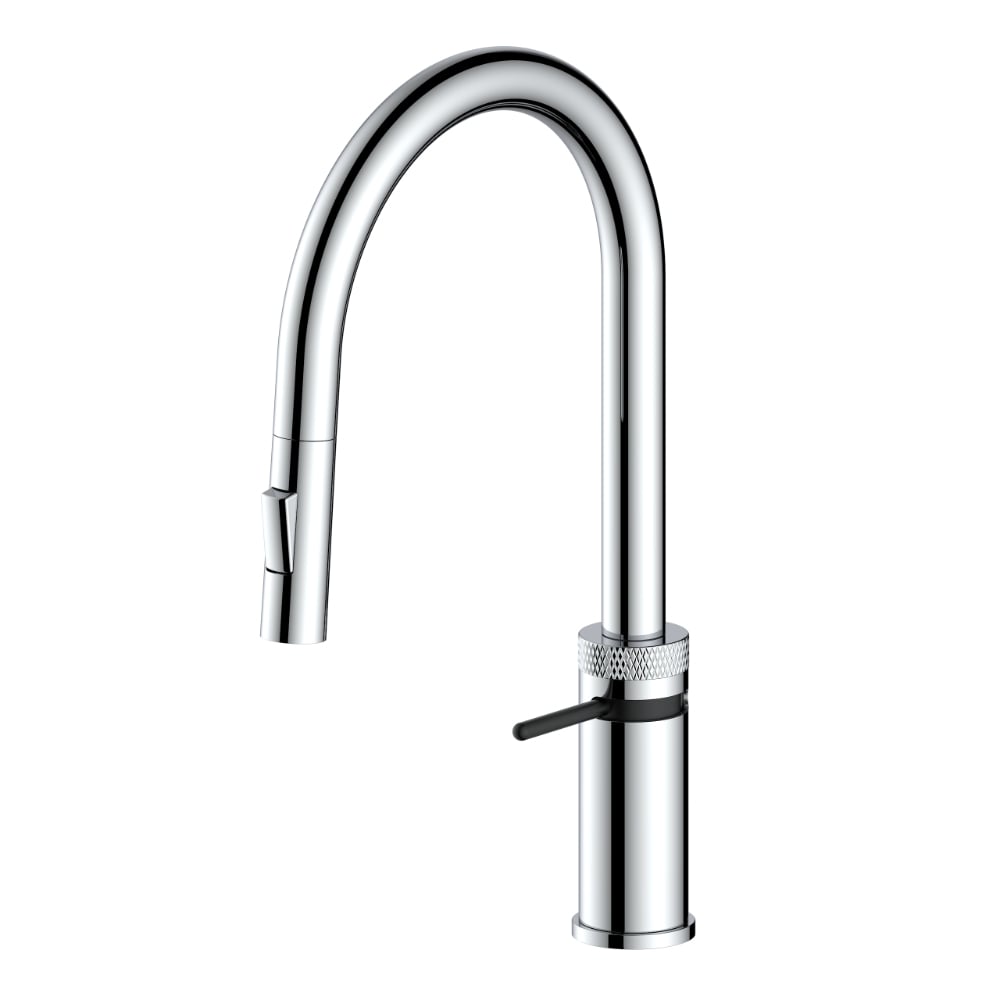
Surface finish is among the highest-return-risk specifications in B2B faucet procurement. A tap with a poorly applied finish that peels, discolours, or corrodes within twelve months of installation destroys customer relationships and generates replacement costs that consume all margin on the original order. Evaluating finish durability before committing to a bulk purchase requires understanding the underlying technologies and the specific tests that predict real-world performance.
Electroplating applies metal ions—most commonly nickel followed by chromium—onto the brass body through an electrochemical process. The resulting surface is smooth, reflective, and cost-effective to produce at scale. Multi-layer systems (typically copper strike, then nickel, then chrome) build thickness and corrosion resistance progressively. A well-applied electroplated chrome finish will typically achieve 24 to 48 hours of neutral salt spray resistance without visible corrosion.
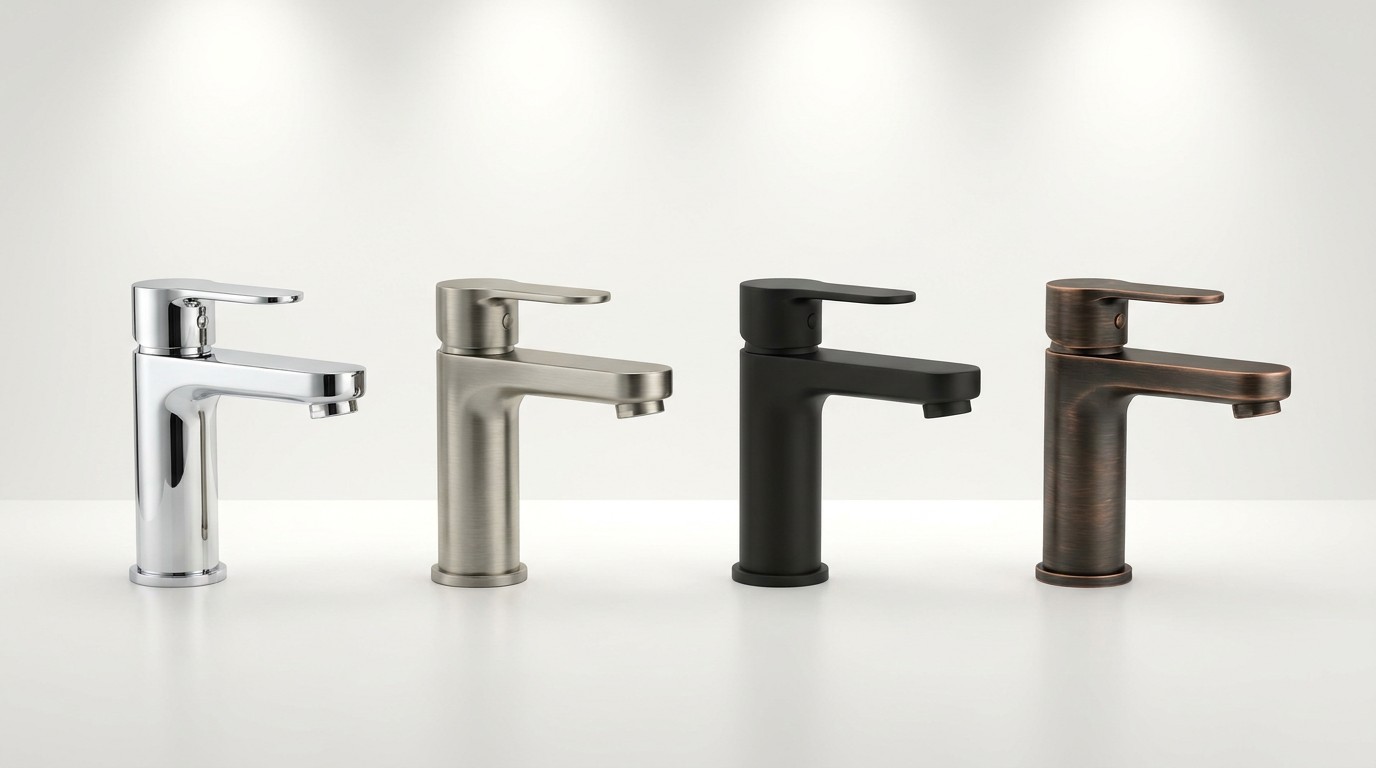
Physical Vapour Deposition (PVD) is a vacuum coating process in which the target metal is vaporised and deposited onto the component at a molecular level. The resulting coating is typically two to five micrometres thick but extremely hard—reaching Vickers hardness values of 2,000 to 3,000 HV compared to approximately 400 to 600 HV for chrome electroplate. This hardness makes PVD coatings dramatically more resistant to scratching, abrasion from cleaning products, and surface wear. PVD also enables a broader range of stable colours—brushed nickel, gunmetal grey, brushed gold, and matte black—with colours that will not fade or tarnish over time.
The neutral salt spray test (NSS), governed by ASTM B117 or ISO 9227, exposes a finished component to a continuous 5% sodium chloride mist at 35°C. The result is measured in hours before the first appearance of white rust (zinc or nickel corrosion) or red rust (base metal corrosion). For residential kitchen and bathroom faucets, a minimum of 24 hours NSS resistance is considered industry standard. For commercial and hospitality applications, 48 hours or higher is recommended. PVD finishes, when applied over properly prepared electroplated underlayers, routinely achieve 200 to 400 hours NSS resistance—a fundamental reason why premium commercial specifications default to PVD.
When reviewing supplier test reports, confirm that the salt spray test was conducted by an accredited third-party laboratory rather than in-house, that the test certificate identifies the specific product model and finish colour, and that the tested sample was produced from the same production batch as your order—not from a special sample prepared only for testing.
Ask your supplier for the pencil hardness rating or Vickers hardness measurement of the finish. For electroplated chrome, 2H to 4H pencil hardness is typical. For PVD finishes, 6H or above is expected. A simple field test involves running a steel wool pad (grade 0000) across the finish surface with moderate pressure for ten strokes: a quality PVD finish will show no visible scratching, while inferior electroplate may show fine marks. Request that this test be performed on samples before any bulk shipment is approved.
In markets with significant temperature variation between seasons—or for products installed near heat sources like dishwashers or cooking ranges—thermal cycling performance matters. Ask whether the supplier has conducted thermal shock testing on finished components, cycling between -20°C and +80°C for multiple cycles. Poor adhesion between coating layers will manifest as blistering or peeling under these conditions.
Xindong operates in-house salt spray chambers, spectrometer equipment for coating thickness measurement, and surface hardness testing as part of its production quality control cycle. The company offers brushed nickel, chrome, gunmetal, matte black, and oil-rubbed bronze finishes across its kitchen tap and bathroom mixer ranges, with both electroplated and PVD options available depending on specification requirements. B2B buyers placing initial trial orders are encouraged to request finished sample sets for independent laboratory testing before committing to production quantities.
Established 1999 · 30,000+ sqm factory · 65+ patents · Monthly capacity 200,000+ sets · ISO 9001 certified. Contact: [email protected] | www.cn-xindong.com
 Hot News
2026-10-17
2026-10-16
2026-10-15
2026-10-14
2026-10-13
2026-10-12

The company, founded in 1999 and located in Yuhuan,specializes in taps, thermostatic shower valves and shower kits. With over 30,000 sqm of space and 380+ employees, we hold numerous certifications and 65+ patents.
 EN
EN